
Blog

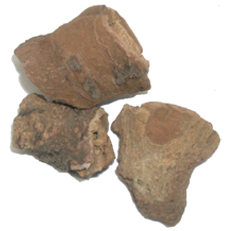
  • Smilax china DC.

    Smilax china DC
    price
    Arabic Name : Jazar Seenee, Fushagh Seenee
    Bengali Name : Topchini, Kumarika, Shukchin
    English Name : China Root, Chinese Smilax
    French Name : Sarutori ibara, Ricine de Chine
    German Name : China-Stechwinde
    Gujarati Name : Chopchini
    Hindi Name : Chopchini, Chobchini, Topchini
    Latin name : Smilax china DC.
    Marathi Name : Chobchini
    Punjabi Name : Chobchini
    Sanskrit Name : Madhusnuhi
    Urdu Name : Chobchini

    Description : Chobchini or China root has been used for ages in various tribal and folk medicine for a large number of health issues. Technically called Smilax china, Chobchini is hailed as a wonder medicine in Ayurveda and Unani too. The root or rhizome of Smilax is used in herbal formulations in India, China, Japan, Iran, Indonesia and in many countries in Africa and South America.

    The rhizome of Chobchini can be used in the form of powder or paste, cooked or raw. The daily intake of the rhizome should not exceed 10 grams a day, as heavy dosage may result in nausea and vomiting. Pregnant and lactating women should avoid Chobchini formulations as it may affect their health.

    Herbal and Unani doctors prescribe Chobchini for white discharge or leukorrhea in women. It has been found to be quite effective in controlling the problem. Chobchini contains several medicinal properties including control of swellings (anti-inflammatory), removal of pus from wounds, promotion of urine (diuretic), bringing down high body temperature, removing gas (flatulence) and clearing bowels.

    The most important medicinal properties of Chobchini however, are its ability to fight psoriasis, syphilis and leprosy. It is a preferred herbal treatment for psoriasis.

    Recommended Dosage: 5 to 10 g powder of rhizome.

    Contraindication: This herb is not recommended during pregnancy or lactation. Large dose (many times the recommended dosage) may cause nausea and vomiting.

    Jazar Seenee Topchini China Root Sarutori ibara China-Stechwinde Chopchini Chobchini Smilax china DC Madhusnuhi
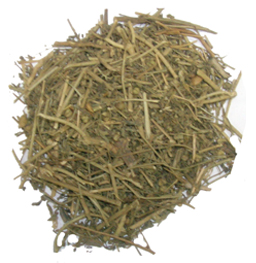
  • Sida cordifolia Linn.

    Sida cordifolia Linn
    price
    Bengali Name : Bedele
    Chinese Name : Ke dong
    English Name : Country Mallow, Flannel Weed, Indian Ephedra
    German Name : Sandmalve, Indische Malve
    Gujarati Name : Baldana, Bal, Bala
    Hindi Name : Bariar, Bariyal, Khirenti, Khareti
    Kannada Name : Kisangi, Hettuti Gida
    Latin name : Sida cordifolia Linn.
    Marathi Name : Chikana, Tupkaria
    Persian Name : Beejband Siah
    Punjabi Name : Kharehti, Simak
    Sanskrit Name : Beejband, Bala, Jayanti
    Urdu Name : Beejband Siah

    Description : It has been used in folk medicine for the treatment of inflammation, asthma, bronchitis, and nasal congestion.

    Because the leaves of Sida cordifolia contain small amounts of the alkaloid ephedrine (0.8% to 1.2%) and pseudo-ephedrine many nutritional companies have included it as a weight loss product as is controls metabolism in the human body and is a popular supplement for many who go to the gym as it is said to increase energy levels.

    Indications : Asthma, Bronchitis, Common Cold, Cough, Flu, Obesity, Oedema, Persistent Infection due to Low Immunity and Wheezing.

    Contraindications: Do not use this product if using MAO inhibitor medication (Anti-Depressants), or have high blood pressure, heart disease, thyroid or Prostrate conditions. Not suitable for pregnant or lactating mothers.

    Side Effects : There are no known side effects.

    Dosage : Take 1 capsule twice daily after meals with water. Allow several weeks for benefits. The use of natural products provides progressive but long-lasting results.

    Bedele Country Mallow Indian Ephedra Sandmalve Baldana Bariar Bariyal Khirenti Kisangi Sida cordifolia Linn Chikana Tupkaria Beejband Siah Kharehti Beejband Beejband Siah
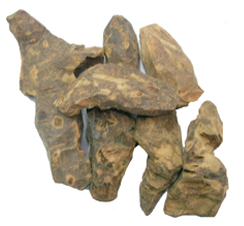
  • Sesamum indicum Linn.

    Sesamum indicum Linn
    price
    Arabic Name : Juljulaann, Simsim, Duhn al-hall, Seeraj, Sheeraj (Oil)
    Bengali Name : Tilagachh
    English Name : Sesame, Gingelly
    French Name : Sesamé
    German Name : Sesam
    Gujarati Name : Til
    Hindi Name : Til, Tilli
    Kannada Name : Ellu
    Latin name : Sesamum indicum Linn.
    Marathi Name : Tila, Til
    Persian Name : Kunjad, Shamshak
    Punjabi Name : Til
    Sanskrit Name : Tila, Tilaha, Tir
    Urdu Name : Kunjad, Til

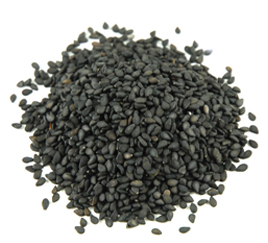
    Description : The seeds are antiinflammatory, antioxidant, aphrodisiac, astringent, demulcent, diuretic, emmenagogue, emollient, galactagogue, laxative, nourishing, nutritive, rejuvenative and tonic. Used in cough, amenorrhoea and dysmenorrhoea. Sesame seeds are rich in calcium which is useful in male infertility by replenishing what is lost in ejaculation. They have a marked ability to stimulate the production of breast milk in nursing mothers. The seed acts as a tonic for the liver and kidneys. It is taken internally in the treatment of premature hair loss and greying, convalescence, chronic dry constipation, osteoporosis, stiff joints, dry cough etc.

    The oil is used as a base for floral oils and as a hair tonic in many oils meant for hair. It darkens premature graying hair. It is also applied in arthritis, rheumatism, joint pains and cellulite along with other ingredients. The oil is laxative and is used to treat dry constipation in the elderly.

    Recommended Dosage : 5 g powder of dried seeds.

    Contraindication : The seeds have no known warnings or contraindications.

    Juljulaann Sheeraj Tilagachh Sesame Sesam Til Tilli Ellu Sesamum indicum Linn Tila Kunjad Tila Tilaha
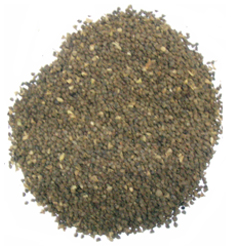
  • Semecarpus anacardium Linn.

    price
    Arabic Name : Balaadhur, Anaqardhiyaa
    Bengali Name : Bhela, Bhelatuki
    English Name : Marking Nut, Oriental Cashew Nut
    French Name : Anarcardier, Noix a marquer
    German Name : Ostindischer Tintenbaum
    Gujarati Name : Bhilamo
    Hindi Name : Bhilawan, Bhilawa, Bhela
    Kannada Name : Gerkaye
    Latin name : Semecarpus anacardium Linn.
    Marathi Name : Bibba
    Persian Name : Habbul Qalb, Baladur, Biladur
    Punjabi Name : Bhilawa
    Sanskrit Name : Bhallataka, Bhallatamu, Aruskara, Agnimukh
    Urdu Name : Baladur, Bhilavan

    Description : The detoxified nut is acrid, antiarthritic, antiinflammatory, aphrodisiac, appetiser, astringent, bitter, cardiotonic, carminative, depurative, digestive, emollient, expectorant, febrifuge, liver tonic, nervine tonic, purgative, rejuvenative, stimulant, sweet and thermogenic. It is useful in diseases of the brain, paralysis, polyuria and improves memory and is an aphrodisiac. It is also given to relieve asthmatic attacks, in rheumatism and for the relief of painful joints. It is used with advantage in simple chronic enlargement of spleen without any hepatic complication or fever.

    Recommended Dosage : 125 mg powder of detoxified fruit.

    Contraindication : The nut has no known warnings or contraindications.

    Balaadhur Bhela Bhelatuki Marking Nut Anarcardier Ostindischer Bhilamo Bhilawan Bhilawa Gerkaye Semecarpus anacardium Linn Bibba Habbul Qalb Baladur
  • Saussurea lappa Clarke.

    price
    Arabic Name : Qust, Bustaj
    Bengali Name : Kur, Pachak
    English Name : Costus Root, Kut Root
    French Name : Costus Elegant
    German Name : Himalayascharte, Indische Costuswurzel, Kostuspflanze
    Saussurea lappa Clarke
    Gujarati Name : Uplet, Kath
    Hindi Name : Kusht, Metha Kut, Kur, Pokharmur
    Kannada Name : Changal Kustha, Koshth
    Latin name : Saussurea lappa Clarke.
    Marathi Name : Upleta, Kustha
    Persian Name : Qusht Shirin, Koshtah, Bustak
    Punjabi Name : Kuth, Koth
    Sanskrit Name : Kustha, Kushtha
    Urdu Name : Qusht

    Description : The root is alterative, analgesic, anthelmintic, antiinflammatory, strong antiseptic, antispasmodic, aphrodisiac, aromatic, astringent, carminative, diuretic, emmenagogue, expectorant, nervine tonic, rejuvenative, stimulant, stomachic and tonic. Useful in dyspepsia, flatulence, bronchial asthma, bronchitis, rheumatism, cough, phlegm, fever, jaundice and liver problems. It is also reputed for its ability to prevent hair turning grey. It is also very useful for liver cirrhosis and viral hepatitis.

    Externally it is applied in rheumatism and wounds.

    Recommended Dosage : 250 mg to 2 g powder of dried roots.

    Contraindication : This herb has no known warnings or contraindications.

    Qust Kur Costus Root Costus Elegant Himalayascharte Uplet Kusht Metha Kut Changal Kustha Saussurea lappa Clarke Upleta Qusht Shirin Kustha Qusht
  • Satureja hortensis Linn.

    Satureja hortensis Linn
    price
    Arabic Name : Nadagh, Sa’tar
    Chinese Name : Hsiang pa ho
    English Name : Summer Savory
    French Name : Sarriette des jardins, Savourée
    German Name : Bohnenkraut, Kölle, Pfefferkraut, Weinkraut
    Hindi Name : Satar
    Latin name : Satureja hortensis Linn.
    Persian Name : Aushan, Marzeh
    Urdu Name : Satar Farsi

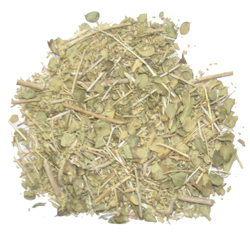
    Description : It is antiseptic, aromatic, astringent, carminative, diaphoretic, digestive, emmenagogue, expectorant, stimulant and stomachic. It settles wind and stimulates digestion, helping to alleviate flatulence and colic. It is warming and has been given for chest infections, bronchitis and sore throat. Also useful in menstrual disorders like amenorrhoea, dysmenorrhoea, leucorrhoea, menorrhagia and metritis.

    Useful in Following diseases :

    • Amenorrhoea
    • Lack of Appetite
    • Bronchitis
    • Leucorrhoea
    • Colic
    • Menorrhagia
    • Diarrhoea
    • Metritis
    • Dysmenorrhoea
    • Nausea
    • Flatulence
    • Piles
    • Indigestion
    • Sore Throat
    Nadagh Hsiang pa ho Summer Savory Sarriette des jardins Bohnenkraut Satar Satureja hortensis Linn Aushan Marzeh Satar Farsi.
  • Saraca indica Linn.

    Saraca indica Linn
    price
    Bengali Name : Ashoka
    English Name : Ashoka Tree
    French Name : Arbre d’Ashoka
    German Name : Saraka
    Gujarati Name : Ashoka
    Hindi Name : Ashoka, Anganapriya
    Kannada Name : Ashokadamara, Asokamara, Kankalimara
    Latin name : Saraca indica Linn.
    Marathi Name : Ashok
    Punjabi Name : Asok
    Sanskrit Name : Asoka, Sita Ashok, Hemapushpa, Kankeli

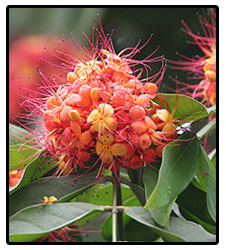
    Ashoka – Saraca indica is an indigenous plant commonly known as ashok in Hindi. The study explicated that, Ashoka (Saraca indica) is very useful in treating the disorders of female sex as reported in literatures. It is also having remarkable action on other parts of the body as well, like mind, head, eyes, nose, stomach, abdomen, rectum, respiratory system, chest, back and extremities. The bark, which is the drug, is reported to have a stimulating effect on the endometrium and ovarian tissue and is useful in menorrhagia due to uterine fibroids, in leucorrhoea and in internal bleeding. It is useful in all cases of uterine bleeding.

    Benefits of Ashoka :

    • Helps to reduce abnormal vaginal discharge
    • Helps to support uterine function
    • Helps to reduce the risk of vaginal infections
    • Helps to boost sex drive
    • Helps to normalize menstrual cycle and reduce menstrual pain and discomfort

    Recommended Dosage : 1 to 2 g powder of bark.

    Contraindication : This herb is not recommended during pregnancy or lactation.

    Ashoka Ashoka Tree Saraka Anganapriya Ashokadamara Asokamara Saraca indica Linn Ashok Asok Asoka Sita Ashok Hemapushpa Kankeli
  • Santalum album Linn.

    price
    Arabic Name : Sandal Abyad
    Bengali Name : Chandan
    Chinese Name : Tan xiang
    English Name : White Sandalwood, Indian Sandalwood
    French Name : Santal blanc
    German Name : Sandelbaum, Santelbaum, Sandelholzbaum, Weisses Sabdelholz
    Gujarati Name : Sukhad
    Hindi Name : Safed Chandan, Chandan
    Kannada Name : Shrigandhmar, Shrigandh
    Latin name : Santalum album Linn.
    Marathi Name : Chandan
    Persian Name : Sandal Safed
    Punjabi Name : Chandan
    Sanskrit Name : Chandana, Chandanam, Swet Chandan
    Urdu Name : Sandal Safed

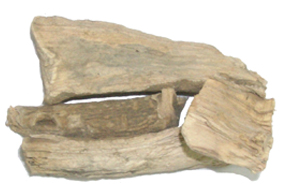
    Description : Both the wood and oil have long been employed in medicine. The main constituent of sandalwood oil is santalol, which possesses antibacterial, antifungal and sedative properties. It is used to alleviate itching and inflammation. It is also credited with alterative, antioxidant, antiseptic, aphrodisiac, astringent, carminative, cooling, diaphoretic, expectorant, haemostatic and refrigerant properties. Oil is astringent and disinfectant to the mucous membranes of the genitourinary and bronchial tracts. Is also diuretic and stimulant. It is a tonic for heart, stomach and liver. It is also useful in biliousness, chronic diarrhoea, fever and thirst. It induces sweat during remittent fevers.

    Powder of sandalwood or the essential oil are commonly used for their antiseptic properties in treating genitourinary conditions such as cystitis, gonorrhoea, gleet and burning urination. Sandalwoods has been approved by Commission E for use in the treatment of bladder infections.

    Sandalwood Oil is applied on the skin for various skin ailments such as acne, eczema, pimples, prickly heat, pruritus, etc.

    Recommended Dosage : Wood :- 3 to 6 g powder of dried heart wood; Oil : 5 to 15 drops (1 to 1.5 ml).

    Contraindication : Sandalwood is not recommended during pregnancy or lactation, or if you suffer from chronic liver disease, or parenchyma of the kidney.

    Sandal Abyad Chandan White Sandalwood Sandelbaum Sukhad Safed Chandan Shrigandhmar Santalum album Linn Sandal Safed Chandana
  • Salvia haematodes Linn.

    Salvia haematodes Linn
    price
    Arabic Name : Naa’ima, Saalbiya, Saalfiyaa, Bahman Abyad
    Bengali Name : Lal Behman
    Chinese Name : Dan shen
    English Name : Red Sage, Garden Sage, Dalmation Sage, Common Sage
    French Name : Sauge Rouge
    German Name : Wiesensalbei
    Hindi Name : Lal Bahaman
    Latin name : Salvia haematodes Linn.
    Persian Name : Behman Surkh
    Urdu Name : Behman Surkh

    Description : Behman Surkh is also known by the names Garden Sage, Red Sage, and Dalmation Sage. Recent scientific research has confirmed the validity of Sage’s traditional usage for heart and circulatory problems. The scientific name of ‘Salvia’, derives from the Latin for ‘to heal’, which underscores the herbs early reputation as a cure-all. It is a tonic, stimulant, antidepressant, adaptogenic, anticholesterolemic, astringent, carminative, digestive, oestrogenic, nerve tonic and an aphrodisiac and largely prescribed in seminal debility, anaemia, etc. It is also used to treat asthma. Also useful in menstrual disorders, erectile dysfunction, habitual miscarriages, cystitis, chronic liver and kidney diseases, and for checking the secretion of mammary glands. It is valuable in stress-related conditions and has an antihypertensive effect. It strengthens the nervous system and aids convalescence.

    The sedative action helps to calm the nerves and it is therefore helpful in treating angina, palpitation, insomnia and irritability also benefit from its sedative properties.

    As Sage is rich in antioxidants, it may actually prevent Alzheimer’s disease. British researchers have confirmed that it inhibits the enzyme that breaks down acetylcholine, thus preserving the compound that seems to help prevent and treat Alzheimer’s. Sage contains fairly high levels of antiseptics and tannins. Tannins have a soothing, astringent action and an antimicrobial effect. It is also known to inhibit the action of the tuberculosis bacillus.

    Recommended Dosage : 3 to 5 g powder.

    Contraindication : This herb is not recommended if you are pregnant or lactating. Those with epilepsy may be adversely affected by the thujone content, and should not use this product. Those who are allergic to members of the mint family (thyme, basil, sage, marjoram, etc.), should avoid this herb.

    Saalbiya Saalfiyaa Lal Behman Dan shen Red Sage Garden Sage Sauge Rouge Lal Bahaman Salvia haematodes Linn Behman Surkh
  • Ruta graveolens Linn.

    Ruta graveolens Linn
    price
    Arabic Name : Sadhaab
    Bengali Name : Ermul
    English Name : Garden Rue, Herb of Grace, Herbygrass
    French Name : Rue odorante, Herbe de grâce, Péganium
    German Name : Gartenraute
    Gujarati Name : Satap, Sadab
    Hindi Name : Sudab
    Kannada Name : Sudabugida
    Latin name : Ruta graveolens Linn.
    Persian Name : Berge Suddab
    Sanskrit Name : Sudapa
    Urdu Name : Berge Suddab

    Description : Rue is a herb with an ancient history. The genus name ‘Ruta’ comes from the Greek word ‘reuo’, to set free, showing its reputation as a freer from disease. Leaves are abortifacient, anthelmintic, antiepileptic, antiinflammatory, carminative, emetic, emmenagogue, expectorant, haemostatic, nervine, rubefacient and mildly stomachic. The herb is also considered antispasmodic, diuretic, resolvent and strongly stimulant. It is used as a stimulant to the nervous system and uterus. Useful in skin disorders, cramps in the bowel and hysteria. It is chiefly used to encourage the onset of menstruation and as a remedy for menstrual disorders such as PMS. It stimulates the muscles of the uterus and promotes menstrual blood flow. It also strengthens the stomach, aids digestion and is useful in sluggish liver. The herb is also used to ease colic and reduce flatulence. The herb was prescribed in cases of vertigo and epilepsy in the 17th century.

    Many of Rue’s positive benefits can be traced to its high concentration of the bioflavonoid, Rutin. Among other benefits, Rutin is known to strengthen blood vessels, thus reducing the likelihood of varicose veins, and improving overall cardiovascular function.

    Rue can also be made into an ointment for external use against gout, arthritis, rheumatism and neuralgia.

    Recommended Dosage : 3 to 5 g powder of dried herb.

    Contraindication : This herb is not recommended during pregnancy as Rue has been known to cause spontaneous abortion. Do not use if you are taking blood thinners or if you have impaired kidney function. Due to its emetic tendencies it should not be administered immediately after eating. Avoid large doses.

    Sadhaab Ermul Garden Rue Herb of Grace Rue odorante Gartenraute Satap Sudab Sudabugida Ruta graveolens Linn Berge Suddab Sudapa Berge Suddab