
Blog

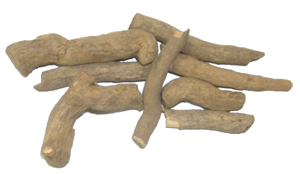
  • Rubia cordifolia Linn.

    Rubia cordifolia Linn
    price
    Arabic Name : Arook Ahmer, Fuvvaj
    Bengali Name : Manjistha, Manjith
    Chinese Name : Qian cao gen
    English Name : Indian Madder
    French Name : Garance de l’Inde
    German Name : Ostasiatischer Krapp
    Gujarati Name : Manjitha
    Hindi Name : Manjith, Majith
    Kannada Name : Manjustha
    Latin name : Rubia cordifolia Linn.
    Marathi Name : Majith
    Persian Name : Rabunas
    Punjabi Name : Manjistha, Manjit
    Sanskrit Name : Manjishtha, Yojnavalli, Rakta
    Urdu Name : Majeeth

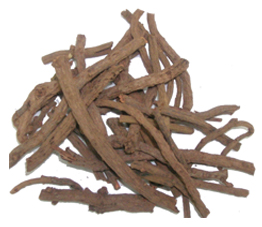
    Description : Manjistha also pronounced Manjishtha is a pure herb that has been used in Ayurvedic medicine as a blood purifier. It helps to remove toxins from the blood and bolster the body’s immune system. It is especially useful when detoxification of the liver and other organs is undertaken as it removes the toxins that are released and helps reduce toxic reactions.

    Due to its blood cleansing properties, Manjistha is useful in various skin conditions and also aids normal menstruation.

    Manjistha is also considered useful in maintaining normal blood pressure and smooth blood flow.

    Benefits of Manjishtha :

    • Manjistha helps in blood purification and cleansing of the lymphatic system
    • Manjistha helps improve skin health. It helps to heal damaged skin tissue and clears dark spots.
    • Manjistha can also be used as a face pack in combination with other herbs like turmeric, sandalwood powder and orange peel
    • Manjistha helps maintaining normal blood pressure and blood circulation
    • Manjistha helps in normal menstruation
    • Manjistha supports health of the urinary tract
    • Manjistha helps in detoxification and removes toxins releases in the blood when the liver, pancreas or other organs undergo detoxification
    • Manjistha helps to maintain healthy gums

    Recommended Dosage : 3 to 5 g powder of dried root.

    Contraindication : This herb is not recommended during pregnancy.

    Arook Ahmer Manjistha Indian Madder Manjitha Majith Rubia cordifolia Linn Majith Manjistha Manjishtha Rakta Majeeth
  • Rosa damascena Mill.

    Rosa damascena Mill
    price
    Arabic Name : Ward, Jul, Duhn al-ward
    Bengali Name : Golap
    English Name : Rose
    French Name : Rosier
    German Name : Damaszener Rose, Portlandrose, Monatsrose
    Gujarati Name : Moshamee Gulab
    Hindi Name : Gulab
    Kashmiri Name : Golab Posh
    Latin name : Rosa damascena Mill.
    Marathi Name : Gulab
    Persian Name : Gul, Gule Surkh
    Punjabi Name : Gulab
    Sanskrit Name : Satapatrika
    Urdu Name : Gulab

    Description : The flowers are analgesic, antidepressant, antioxidant, aperient, mildly astringent, cardiac tonic, carminative, constipative, febrifuge, purgative refrigerant, stomachic and uterine tonic and used as a general tonic. They also reduce high cholesterol levels and are useful for sore throat or enlarged tonsils. They strengthen the heart and brain, give relief in palpitation, delirium and anxiety states. Also useful in diseases of the stomach and liver. Gives relief to heat and quenches thirst.

    Rose water is mildly astringent and makes a valuable lotion for inflamed and sore eyes. Also useful in cases of syncope. It also benefits the reproductive system, treating infertility, erectile dysfunction and low sperm count. Alleviates liver pains.

    Recommended Dosage: Petals : 3 to 5 g powder of dried petals.; Distillate : 20 to 40 ml.

    Contraindication : Rose has no known warnings or contraindications.

    Ward Golap Rose Damaszener Rose Moshamee Gulab Golab Posh Rosa damascena Mill Gule Surkh Satapatrika
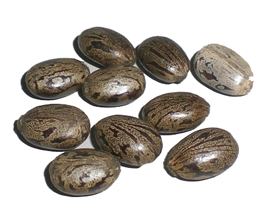
  • Ricinus communis Linn.

    Ricinus communis Linn
    price
    Arabic Name : Khirwa’, Taartaqa, Kiki, Jaar
    Bengali Name : Bherenda
    English Name : Castor-oil Plant, Castor Bean
    German Name : Rizinus, Christuspalme, Hundsbaum, Läusebaum, Römische Bohne, Wunderbaum
    Gujarati Name : Erandio, Erando, Dibeli
    Hindi Name : Arand, Arandi, Rendi, Andi
    Kannada Name : Harlu, Manda, Oudala Gida
    Kashmiri Name : Aran, Banangir
    Latin name : Ricinus communis Linn.
    Marathi Name : Erand, Erandi
    Persian Name : Khora, Bedanjeer, Khirwa
    Punjabi Name : Arind
    Sanskrit Name : Erand, Gandharvahasta
    Urdu Name : Bedanjir, Arandi

    Description : The oil extracted from the bean is regarded as one of the most valuable non-irritant purgative and demulcent. It has been widely used for over 2000 years. It is considered to be fast, safe and gentle and is particularly recommended for children, pregnant women and the elderly due to its mild action. It acts in 4 or 5 hours, causing liquid stools without pain or griping and has a sedative effect on the intestines. It is also useful in flatulence, colic and diarrhoea due to slow digestion. The oil expels worms from the body, after other suitable naturals have been given.

    Externally it is very useful in chronic articular rheumatism, lumbago, facial paralysis, sciatica, gout, etc. When massaged on the breasts after childbirth it stimulates milk flow through its stimulating action the lactating enzymes in the mammary glands. Also increases breast size. If used regularly as hair oil, it helps in the growth of hair and cures dandruff.

    Recommended Dosage : Seeds :- 7 to 10 g powder; Oil : 5 to 20 ml.

    Contraindication : Repeated use of castor oil as a laxative should be avoided as it causes secondary constipation. Persons suffering from kidney infections should not take castor oil as a purgative. It should also not be used when there is abdominal pain or intestinal infections such as appendicitis, enteritis or inflammation of the small intestine and peritonitis. Large doses of castor oil during the early months of pregnancy may cause abortion.

    Taartaqa Bherenda Castor-oil Plant Rizinus Christuspalme Hundsbaum Erandio Arand Arandi Harlu Ricinus communis Linn Erand Erandi Khora Bedanjeer
  • Rhus coriaria Linn.

    Rhus coriaria Linn
    price
    Arabic Name : Summaaq, Timtim, Tamtam, Tumtum
    Bengali Name : Sumok
    English Name : Sumach, Elm-leaved Sumach
    French Name : Sumac
    German Name : Gerberstrauch, Sizilianischer Sumach
    Hindi Name : Tatrak, Raitung
    Kashmiri Name : Samak, Chokmusur
    Latin name : Rhus coriaria Linn.
    Marathi Name : Sumak
    Persian Name : Samaaq, Sumaaq
    Punjabi Name : Minas, Ninawa, Samakdana
    Sanskrit Name : Tandidik
    Urdu Name : Sumaq

    Description : The root-bark is an antiseptic, a powerful astringent, diuretic, stomachic, styptic and tonic. It is useful in dysentery, diarrhoea, vomiting, haemoptysis, leucorrhoea and diuresis.

    Externally, used for blackening the hair.

    Recommended Dosage : 3 to 6 g powder.

    Contraindication : This herb has no known warnings or contraindications.

    Summaaq Timtim Sumok Sumach Sumac Gerberstrauch Tatrak Samak Rhus coriaria Linn Sumak Samaaq Minas Tandidik Sumaq
  • Rheum emodi Wall.

    Rheum emodi Wall
    price
    Arabic Name : Raawand, Raawand Seenee
    Bengali Name : Revanchini, Rheuchini
    English Name : Indian Rhubarb
    French Name : Rhubarb de l’Inde
    German Name : Emodi-Rhabarber
    Gujarati Name : Ladakirevandchini
    Hindi Name : Rewandchini, Revandchini, Rewanchini
    Kannada Name : Revalchini
    Latin name : Rheum emodi Wall.
    Marathi Name : Ladakirevandchini
    Persian Name : Rewand, Bekhe Rewas
    Punjabi Name : Revandchini
    Sanskrit Name : Amlavetasa
    Urdu Name : Rewandchini

    Description : Rhubarb root is alterative, antiinflammatory, anthelmintic, antibiotic, antiseptic, antispasmodic, bitter, cathartic, aperient, astringent, cholagogue, diuretic, emmenagogue, haemostatic, laxative, liver stimulant, purgative, sedative, sialagogue, stomachic and tonic. Rhubarb Root has a purgative action for use in the treatment of constipation, but also has an astringent effect too. It, therefore, has a truly cleansing action upon the gut, removing debris and then astringing with antiseptic properties as well. The primary chemical constituents of Rhubarb include anthraquinones, chrysophanol, rheidine, emodin, physcion, sennidine, palmmidine, tannins, catechin, oxalic acid, gallic acid, rutin, phytosterol, and calcium oxalate. It is the anthraquinones that contribute to the laxative and purgative properties of Rhubarb, yet the tannin content helps balance those properties, and even stops diarrhoea. Rhubarb also strengthens the liver and is useful in phlegmatic cough, atonic dyspepsia, cirrhosis, jaundice and oedema. Rhubarb also promotes blood circulation in the pelvic cavity and is, therefore, useful as a treatment for dysmenorrhoea, especially when there is heavy clotting. Also useful in amenorrhoea.

    Recommended Dosage : 1 to 3 g powder of dried roots.

    Raawand Revanchini Indian Rhubarb Ladakirevandchini Rewandchini Revalchini Rheum emodi Wall Ladakirevandchini Rewand Revandchini Amlavetasa Rewandchini
  • Rauwolfia serpentina (Linn.) Benth.

    price
    Bengali Name : Nakuli, Gandhrasna, Chandra
    Chinese Name : She gen mu, Yin du, Luo fu mu
    English Name : Rauwolfia, Indian Snake Root, Serpentine Wood, Snakewood, Devilpepper
    French Name : Bois-lait, Arbre aux serpents
    German Name : Rauwolfiawurzel, Indische Schlangenwurzel
    Rauwolfia serpentina
    Gujarati Name : Amelpodee, Nolbel
    Hindi Name : Chota Chand, Nakuli, Pagal Buti
    Kannada Name : Sutranabhi
    Latin name : Rauwolfia serpentina (Linn.) Benth.
    Marathi Name : Chandra
    Sanskrit Name : Sarpagandha
    Urdu Name : Asraul

    Description : The root has anaesthetic, nervine and sedative properties. It has been employed for centuries for the relief of various central nervous system disorders, both psychic and motor, including anxiety states, insomnia, excitement, sexual aggression, maniacal behavior associated with psychosis, hypochondriasis, melancholia, schizophrenia, insanity, insomnia and epilepsy in Indian medicine for about 4000 years.

    Extracts of the root are valued for the treatment of intestinal disorders, particularly diarrhoea and dysentery. It is also used as an anthelmintic. It contains Reserpine alkaloid which is used for mild, essential hypertension.

    Recommended Dosage : 500 mg to 2 g powder of dried roots.

    Contraindication : This herb is not recommended during pregnancy or lactation, in patients with low blood pressure, those with a history of mental depression, and active peptic ulcer and ulcerative colitis.

    Nakuli She gen mu Rauwolfia Indian Snake Root Devilpepper Bois-lait Rauwolfiawurzel Amelpodee Chota Chand Sutranabhi Rauwolfia serpentina Benth Asraul
  • Raphanus sativus Linn.

    Raphanus sativus Linn
    price
    Arabic Name : Fujal
    Bengali Name : Mula
    English Name : Radish
    French Name : Radis cultivé
    German Name : Garten-Rettich, Rettich
    Gujarati Name : Mulo, Mula
    Hindi Name : Muli, Mooli
    Kannada Name : Moolangi, Moclangi gadde, Mullangi, Mugunigadde
    Latin name : Raphanus sativus Linn.
    Marathi Name : Mula
    Persian Name : Turb, Turbuzah
    Punjabi Name : Mula, Mulaka, Muli
    Sanskrit Name : Moolaka, Mulaka
    Urdu Name : Muli

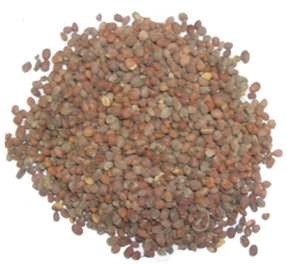
    Description : Seeds and leaves are anthelmintic, antiasthmatic, carminative, diuretic, expectorant, laxative, lithontriptic and stomachic. Seeds are believed to also have emmenagogue properties. Seeds are useful in gonorrhoea, indigestion, stomachache, dysuria, constipation, strangury and splenitis. It stimulates the flow of bile.

    A salt extracted from roots that are dried and burnt to white ash is used in stomach ailments.

    Recommended Dosage : 1 to 3 g powder of dried seeds.

    Contraindication : This herb has no known warnings or contraindications.

    Fujal Radish Garten-Rettich Mulo Muli Moolangi Raphanus sativus Linn Turb Turbuzah Mulaka Muli Moolaka Mulaka
  • Quercus infectoria Oliv.

    Quercus infectoria Oliv
    price
    Arabic Name : Afas, Qashaf, Bahash
    Bengali Name : Majoophal, Majuphal
    English Name : Oak Galls, Dyer’s Oak
    French Name : le chêne éorche
    German Name : Gallapfeleiche, Galleiche
    Hindi Name : Majuphal, Muphal
    Kannada Name : Machikaai, Mapalakam
    Latin name : Quercus infectoria Oliv.
    Marathi Name : Maayaphal
    Persian Name : Mazu
    Punjabi Name : Maju
    Sanskrit Name : Majuphal, Mayaphal
    Urdu Name : Mazu, Mazuphal

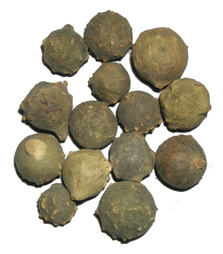
    Description : Majuphal alone or in combination with other herbs is a promising remedy for dental troubles. Powerful astringent and styptic. Useful in leucorrhoea and other vaginal discharges and in profuse menstruation. Also useful in diarrhoea, dysentery, gleet and long standing gonorrhoea. It is also used as a gargle to treat sore throats, stomatitis and tonsillitis.

    Majuphal Benefits :

    • Majuphal is used as a hair dye.
    • Since Majuphal is an astringent and wound healing, it stops bleeding from wounds.
    • Majuphal is used for gargling in pharyngitis and stomatitis.
    • Majuphal’s powder is used for application in rectal prolapsed, piles and wound.
    • Majuphal powder is also applied in excessive sweating.
    • Majuphal powder is used in leucorrhoea as vaginal suppository.
    • Majuphal is a strong stool binder; so it is useful in diarrhea, dysentery, bleeding piles, bleeding diathesis, cough, polyuria, diabetes, pyuria and leucorrhoea.

    Recommended Dosage : 3 to 5 g powder of dried galls.

    Contraindication : Internal use of the galls may reduce or inhibit the absorption of alkaloids and other alkaline drugs.

  • Pyrus cydonia Linn.

    Pyrus cydonia Linn
    price
    Arabic Name : Safarjal (Fruit), Habb al-safarjal (Seeds)
    English Name : Quince Seeds
    French Name : Graines de Coing
    German Name : Quitte
    Hindi Name : Behi (Fruit), Behidana (Seed)
    Kannada Name : Simodalibe (Seeds)
    Kashmiri Name : Bum Chunt (Fruit), Bum Chunt Beool (Seeds)
    Latin name : Pyrus cydonia Linn.
    Persian Name : Tukhme Safarjal, Behidana (Seeds)
    Sanskrit Name : Amritphala (Fruit)
    Urdu Name : Behi (Fruit), Behidana (Seeds)

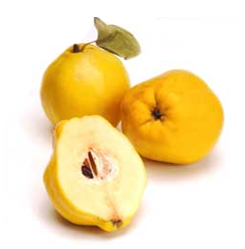
    Description : The seeds are anticatarrhal, antiinflammatory, antipyretic, antitussive, astringent, cardiac, cephalic, demulcent, diuretic, expectorant, laxative, mucilaginous, restorative and tonic. The seeds contain significant quantities of mucilage and thus are helpful in bronchitis, cough, tuberculosis and sore throat. Also effective against inflammation of the mucous membranes, intestines and stomach.

    Recommended Dosage : 3 to 9 g powder of dried seeds and 30 to 40 g of soaked seeds.

    Contraindication : The seeds have no known warnings or contraindications.

    Shanjar Khas al-himaar Ratanjot Alkanet Spanish Bugloss Natternkopf-Lotwurz Ratanjot Laljari Yatilung Onosma echioides Linn Shankaru Laljari Koame Maharanga Dhamani Ratanjot
  • Punica granatum Linn.

    Punica granatum Linn
    price
    Arabic Name : Rummaan (Fruit), Jullanar (Flower)
    Bengali Name : Dadima (Fuit), Dalim (Seeds)
    English Name : Pomegranate
    French Name : Grenade
    German Name : Granatapfelbaum, Granatbaum
    Gujarati Name : Dadam (Seeds)
    Hindi Name : Anar (Fresh Fruit), Anardana (Seeds)
    Kannada Name : Dalimba (Fruit), Dalimbari (Seeds)
    Kashmiri Name : Dan (Fruit), Danposh (Flower)
    Latin name : Punica granatum Linn.
    Marathi Name : Dadimba (Fruit), Dalim (Seeds)
    Persian Name : Anar (Fruit), Anardana (Seeds)
    Punjabi Name : Anar (Fruit), Anar Danu (Seeds)
    Sanskrit Name : Kuchaphala, Dadima, Lohitapushpa (Fruit)
    Urdu Name : Anar (Fruit), Gulnar Farsi (Flower)

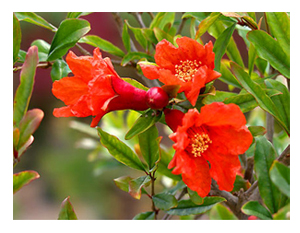
    Description : The seeds and rind are valued as sedative, stomachic, cardiotonic, digestive and astringent in cases of diarrhoea and amoebic dysentery and eases fever. The seeds are given to comfort an upset stomach and as a remedy to relieve wind and nausea. The rind and bark are considered to be specific naturals for tapeworm, pinworms and roundworms infestation. The alkaloids present in the rind and bark cause the worms to release its grip on the intestinal wall.

    Recommended Dosage : Dried Seeds: 5 to 10 g powder; Rind : 3 to 6 g powder; Juice: 15 to 30 ml.

    Contraindication : Doses greater than those recommended may cause nausea, dizziness and vomiting.

    Rummaan Jullanar Dadima Pomegranate Grenade Granatapfelbaum Dadam Anar Danposh Punica granatum Linn Dadimba Dalim Anar Kuchaphala Gulnar Farsi