
Category: Herbs

Herbs

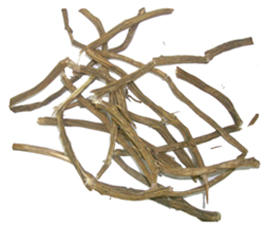
  • Tamarix gallica Linn.

    Tamarix gallica Linn
    price
    Arabic Name : Athl, Naddaar, Tarfaa, Kazmaazak, Jawz al- tarfaa (galls)
    Bengali Name : Jhau, Jhav, Bari Main (galls)
    English Name : Tamarisk, Manna Plant
    French Name : Usine De Manne, Tamaris
    German Name : Tamariske, Rispelstrauch
    Gujarati Name : Jhav Na Jhad
    Hindi Name : Jhaoo, Bari Mayee (galls)
    Kannada Name : Jhaoo, Bari Mayee (galls)
    Latin name : Tamarix gallica Linn.
    Persian Name : Shorghaz, Kazmazaj, Mayee Kalan (galls)
    Punjabi Name : Pilchi, Jhau, Bari Mahin (galls)
    Sanskrit Name : Jhavuka
    Urdu Name : Berge Jhao, Mayee Kalan (galls)

    Description : The leaves are astringent, diuretic, expectorant, laxative and tonic. They are used in bleeding disorders like menorrhagia, bleeding in the rectum and epistaxis. It contains an alkaloid, Tamarixin, that has been linked to its effectiveness in conditions associated with hepatic insufficiency. There are indications that Tamarisk is also helpful in increasing platelet counts.

    Galls are astringent and used on account of their bitter tonic and astringent effect in chronic discharges and watery fluxes. They are used in the treatment of diarrhoea and dysentery. A strong infusion is used as a gargle in sore throat and stomatitis.

    Recommended Dosage : Leaves :- 5 to 7 g of dried powder; Galls : 3 to 5 g of dried powder.

    Contraindication : This herb has no known warnings or contraindications.

    Athl Naddaar Jhau Jhav Tamarisk Tamaris Tamariske Jhaoo Jhaoo Tamarix gallica Linn Shorghaz Kazmazaj Pilchi Jhau Bari Mahin Jhavuka Berge Jhao
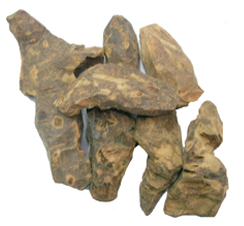
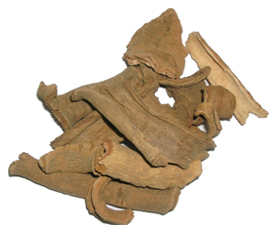
  • Symplocos racemosa Roxb.

    Symplocos racemosa Roxb
    price
    Arabic Name : Moongama
    Bengali Name : Lodha, Lodhra
    English Name : Lodh Tree, Lotur Bark
    French Name : Arbre De Lotur
    Gujarati Name : Lodhar, Lodar
    Hindi Name : Lodh, Lodha, Bodhra, Pathani Lodh
    Kannada Name : Lodhra, Pachettu
    Latin name : Symplocos racemosa Roxb.
    Marathi Name : Lodha, Lodhra
    Punjabi Name : Lodhar
    Sanskrit Name : Lodhra, Rodhra, Tillaka, Srimata
    Urdu Name : Lodh Pathani

    Description : The stem bark is considered absorbent, acrid, alterative, aperient, mild astringent, cholag
    ogue, cooling, depurative, expectorant, febrifuge, haemostatic, ophthalmic, refrigerant, stomachic and tonic. Useful in abnormal uterine secretion and atony of the uterus. Also useful in cases of leucorrhoea and menorrhagia due to relaxation of the uterine tissue. It also finds its use in treating elephantiasis. Being a mild astringent, it is given in the treatment of diarrhoea, dysentery, bleeding piles and liver complaints.

    Recommended Dosage :
    3 to 5 g powder of dried bark.

    Contraindication : This herb has no known warnings or contraindications.
    Moongama Lodha Lodh Tree Lotur Bark Lodhar Lodh Bodhra Pathani Lodh Lodhra Symplocos racemosa Roxb Lodhar Rodhra Tillaka Lodh Pathani
  • Swertia chirata Buch.

    Swertia chirata Buch
    price
    Arabic Name : Qamha, Qasab Farsee
    Bengali Name : Chirata, Mahatita
    English Name : Chiretta, Indian Balmony, Bitter Stick
    French Name : Swertie de l’Inde
    German Name : Chirettakraut, Kirayakraut
    Gujarati Name : Kariyatu, Charyatah, Chirayita
    Hindi Name : Kiryat Charayata
    Kannada Name : Nalebevu, Chirata Kaddi, Chirayat
    Latin name : Swertia chirata Buch.
    Marathi Name : Kiraita, Kaduchiraita
    Persian Name : Chiraita Talkh
    Punjabi Name : Chiretta, Chiraita
    Sanskrit Name : Bhunimba, Kirata, Kiratak
    Urdu Name : Chiraita Talkh

    Description : It is particularly useful as a mild febrifuge or tonic. It is prescribed in a variety of forms and combinations in chronic fevers and anaemia. It is also credited with alterative, anthelmintic, antibacterial, antidiarrhoeal, antiemetic, antifungal, antiinflammatory, antiperiodic, antispasmodic, appetiser, astringent, bitter, blood purifier, carminative, demulscent, diuretic, emmenagogue, hepatic, hepatoprotective, immunostimulant, laxative and stomachic properties. Unlike most other bitters, it does not constipate the bowels.

    It also exhibits hypoglycemic activity. Research has shown Chiretta to protect the liver and promote secretion of bile. It also contains xanthones, which are reputedly effective against malaria and tuberculosis, and also amarogentin, a glycoside that may protect the liver against carbon tetrachloride poisoning. Also useful in vitiligo, skin diseases, scabies and fever. It also protects against bronchitis and asthma. It restores tone after illness. Also indicated for gastrointestinal disturbances after prolonged illness and for improving immunity in the body to fight diseases.

    It is now considered as the potential subject to cure Diabetes. In the Annual Professional Conference of Diabetes UK, held in Glasglow in March 2009, researchers announced this finding. They are of the opinion that the bark of this plant will be helpful in the cure. Its extracts are found to stimulate insulin production and improve its action on glucose control.

    Recommended Dosage : 3 to 5 g powder of whole plant.

    Contraindication : This herb has no known warnings or contraindications.

    Qamha Chirata Chiretta Indian Balmony Chirettakraut Kariyatu Charyatah Kiryat Charayata Nalebevu Swertia chirata Buch Kiraita Kaduchiraita Chiraita Talkh Chiretta Bhunimba Chiraita Talkh
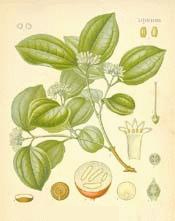
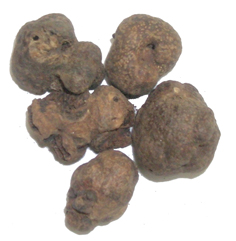
  • Strychnos Nux-vomica Linn.

    price
    Arabic Name : Qaatil al-kalb
    Bengali Name : Kunchila
    English Name : Nux-Vomica, Poison Nut, Quaker Buttons, Semen Strychnos, Snake Root
    French Name : Noix vomique
    Strychnos Nux vomica Linn
    Gujarati Name : Konchala, Jher Kochla, Kuchla, Zer Kochalu
    Hindi Name : Kuchla, Kajra, Kuchila
    Kannada Name : Kanjihemushti, Manjira, Hemmushti, Ittongi, Kasarkayi
    Latin name : Strychnos Nux-vomica Linn.
    Marathi Name : Kajra, Kuchla
    Persian Name : Kuchula, Habbul Gharab
    Punjabi Name : Kunchla
    Sanskrit Name : Vishtinduk, Vishmushti, Karaskara
    Urdu Name : Azaraqi, Kuchla

    Description : The seeds are properly detoxified in milk before use. It is antiinflammatory, astringent, aphrodisiac, bitter, blood purifier, nervine, resolvent, stimulant, stomachic, tonic, and spinal stimulant and also respiratory and cardiac stimulant. It is used as a febrifuge and its preparations are prescribed for nervous disorders. Also employed in atonic dyspepsia, for increasing appetite and in chronic constipation due to atony of the bowel.

    Strychnine, the chief alkaloid constituent of the seeds, also acts as a bitter, increasing the flow of gastric juice; it is rapidly absorbed as it reaches the intestines, after which it exerts its characteristic effects upon the central nervous system, the movements of respiration are deepened and quickened and the heart slowed through excitation of the vagal centre. The senses of smell, touch, hearing and vision are rendered more acute, it improves the pulse and raises blood pressure and is of great value as a tonic to the circulatory system in cardiac failure.

    It also cures pain in the joints, lumbago and is useful in paralysis, general debility, chronic rheumatism, gout and weakness of the limbs.

    Recommended Dosage : 60 to 250 mg. powder of properly detoxified seeds.

    Contraindication : This herb is contraindicated during pregnancy.

    Qaatil al-kalb Kunchila Nux-Vomica Poison Nut Noix vomique Strychnos Nux vomica Linn Konchala Kuchla Kajra Kanjihemushti Vishtinduk Azaraqi
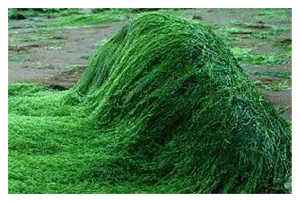
  • Spirulina platensis

    Spirulina platensis
    price
    Arabic Name : Tohlub
    English Name : Spirulina
    Latin name : Spirulina platensis
    Urdu Name : Kai

    Description : Spirulina is used as a human dietary supplement, as well as a whole food. Spirulina promotes health in many ways. It powerfully protects from oxidant stress and strongly supports the immune system and a healthy inflammatory response. Scientific studies suggest it may be especially good for the brain, heart, immune system and more; so you can meet life“s challenges..

    Spirulina is being developed as the “food of the future” because of its amazing ability to synthesize high-quality concentrated food more efficiently than any other algae. Most notably, Spirulina is 65 to 71 percent complete protein, with all essential amino acids in perfect balance. Spirulina also provides high concentrations of many other nutrients – amino acids, chelated minerals, pigmentations, rhamnose sugars (complex natural plant sugars), trace elements, enzymes – that are in an easily assimilable form.

    Spirulina is an outstanding dietary aid to help prevent (or reverse) anaemia. Preliminary evidence suggests that spirulina may help protect against liver damage and cirrhosis (liver failure) in those with chronic hepatitis.

    Recommended Dosage : 900 mg to 1 g of dried extract

    Contraindication : None

    Tohlub Spirulina Spirulina platensis Kai
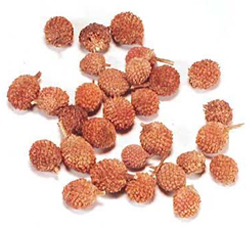
  • Sphaeranthus indicus Linn.

    Sphaeranthus indicus Linn
    price
    Bengali Name : Surmuriya, Mudmudiya
    English Name : East Indian Globe-thistle
    Gujarati Name : Gorakhmundi
    Hindi Name : Gorakh Mundi, Mundi
    Kannada Name : Mundi
    Latin name : Sphaeranthus indicus Linn.
    Marathi Name : Mundi, Baras Bondi
    Persian Name : Zakhmi-e-Hayat
    Punjabi Name : Gorakhmundi
    Sanskrit Name : Mundika, Mundtika, Mundi
    Urdu Name : Gule Mundi

    Description : The whole herb is alterative, anthelmintic, bitter, demulcent, deobstruent, depurative, emollient, laxative, pectoral, stomachic and tonic. The flower headss are credited highly with alterative, deobstruent, depurative, refrigerant and tonic properties, useful as a blood purifier in skin diseases and in syphilis. Also useful in weakness of eyesight, elephantiasis and leucoderma. Strengthens the chief organs of the body.

    Recommended Dosage : 5 to 10 g powder of dried herb.

    Contraindication : This herb has no known warnings or contraindications.
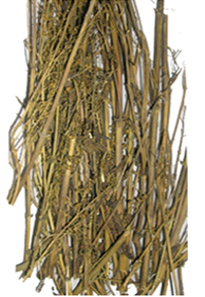
    Surmuriya Mudmudiya East Indian Globe-thistle Gorakhmundi Gorakh Mundi Sphaeranthus indicus Linn Baras Bondi Zakhmi-e-Hayat Gorakhmundi Mundika Gule Mundi
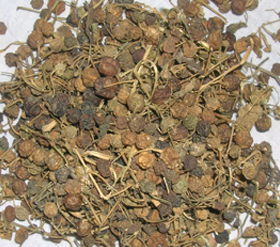
  • Solanum xanthocarpumSchrad. & Wendl.

    price
    Bengali Name : Kantkari
    Chinese Name : Huang guo qie
    English Name : Yellow-berried Nightshade, Indian Solanum
    French Name : Aubergine de Siam à fruits panachés
    German Name : Thai-Aubergine
    Gujarati Name : Bethiringani, Bhauringani
    Hindi Name : Kateli, Katai Choti, Choti Kateri, Kandiari, Bhatkatai
    Kannada Name : Nelagulla, Kiragulla
    Latin name : Solanum xanthocarpumSchrad. & Wendl.
    Marathi Name : Bhauringani, Kataringani
    Persian Name : Katai Khurd
    Punjabi Name : Kandiari, Barumb
    Sanskrit Name : Kantakari, Nidigadhika, Kateri
    Urdu Name : Katai

    Description : Is acrid, alterative, anthelmintic, antiinflammatory; antiperiodic, aperient, astringent, bitter, carminative, digestive, diuretic, expectorant, febrifuge and stomachic. Useful in fever, cough and asthma. Treats wind and constipation and checks vomiting. Also useful in enlargement of liver and spleen.

    Recommended Dosage : 1 to 2 g powder of dried aerial parts.

    Contraindication : This herb is not recommended during pregnancy or lactation.

    Kantkari Huang guo qie Yellow-berried Nightshade Thai Aubergine Bethiringani Kateli Katai Choti Nelagulla Solanum xanthocarpumSchrad Wendl Bhauringani Kandiari Kantakari Katai
  • Solanum nigrum Linn.

    Solanum nigrum Linn
    price
    Arabic Name : ‘Inab al-tha’lab, ‘Inab al-dhi’b, Damiyaa
    Bengali Name : Gurkamai, Kakmachi
    English Name : Black Nightshade, Garden Nightshade, Petty Morel, Deadly Nightshade
    French Name : Morelle noir
    German Name : Schwarzer Nachtschatten, Giftbeere, Hundsbeere, Mondscheinkraut, Saukraut, Sautod
    Gujarati Name : Piludi
    Hindi Name : Makoi, Makoy, Mako
    Kannada Name : Ganikayeagida, Ganikegida, ganike, Ganikesopu, Kage hanninagids
    Latin name : Solanum nigrum Linn.
    Marathi Name : Kanoni, Ghati
    Persian Name : Rubaah Turbuk, Angoor Shifa, Roozbaaragh
    Punjabi Name : Mako
    Sanskrit Name : Kakmachi, Kakamachika
    Urdu Name : Makoh, Mako

    Description : The whole plant is alterative, antiperiodic, constipative, demulscent, diaphoretic, diuretic, emollient, expectorant, febrifuge, hepatoprotective, hydragogue, narcotic, sedative and tonic. It is effective in the treatment of cirrhosis of the liver and spleen and is also credited with emollient, antiseptic and laxative properties. It has a protective effect on the liver and has shown hepatoprotective activity in cases of toxicity induced by drugs and chemicals. Useful in chronic enlargement of liver (hepatomegaly).

    Also useful in heart diseases, skin diseases, piles, gonorrhoea and inflammatory swellings. Useful in cough and consumption.

    Recommended Dosage : 5 to 7 g powder of dried whole plant.

    Contraindication : This herb is not recommended during pregnancy or lactation.

    Gurkamai Kakmachi Black Nightshade Schwarzer Nachtschatten Piludi Makoi Ganikayeagida Ganikegida Solanum nigrum Linn Kanoni Ghati Roozbaaragh Mako Kakmachi Makoh
  • Smilax medica Sch.

    Smilax medica Sch
    price
    Bengali Name : Kumarika
    Chinese Name : Luan ye ba qia
    English Name : Mexican Sarsaparilla
    French Name : Salsepareille mexican
    German Name : Stechwinde
    Gujarati Name : Guti, Jangli Ushbah
    Hindi Name : Ushva, Ushba
    Latin name : Smilax medica Sch.
    Persian Name : Ushba
    Sanskrit Name : Vanamadhusnahi
    Urdu Name : Ushba Maghrabi

    Sarsaparilla is the root of several South and Central American and Caribbean species of Smilax, a genus in the lily family. They include Mexican sarsaparilla (S. medica, also known as S. aristolochiifolia), Honduran sarsaparilla (S. regehlii), Ecuadorean sarsaparilla (S. febrifuga), Jamaican sarsaparilla (S. ornata), and other species.

    Benefits of Ushba Maghrabi :

    Purifier :
    Sarsaparilla is commonly used to cleanse the body. Particularly, it is believed to be skillful at removing environmental toxins. For example it eradicates the presence of metallic contaminants such as inhaled smog, from the blood. It does so by promoting sweating and urination, thus eliminating toxins through physical functions.

    Antibacterial :
    To combat many kinds of infections both externally and internally, sarsaparilla is used. Earlier period, it was the go-to treatment for sexually transmitted diseases like gonorrhea and syphilis. Now, it is believed to be beneficial in treating urinary tract infections. It also improves skin conditions like boils, abscesses, wounds, eczema and psoriasis.

    Anti-Inflammatory :
    Sarsaparilla has been used to relieve discomfort of arthritis and rheumatism. It also helps to prevent attacks of gout.

    Hormonal :
    Sometimes sarsaparilla is used for hormonal purposes. It is supposed to stimulate testosterone to increase interest in sex and improve sexual function in men. In women, it may increase interest in sex while reducing menopausal symptoms.

    Nervous disorders :
    It is used in treatment of various nervous disorders.

    Muscles build up :
    The herb is used to develop muscle mass.

    Recommended Dosage : 5 to 7 g powder of root.

    Kumarika Mexican Sarsaparilla Salsepareille mexican Stechwinde Guti Jangli Ushbah Ushva Ushba Smilax medica Sch Vanamadhusnahi Ushba Maghrabi
  • Smilax china DC.

    Smilax china DC
    price
    Arabic Name : Jazar Seenee, Fushagh Seenee
    Bengali Name : Topchini, Kumarika, Shukchin
    English Name : China Root, Chinese Smilax
    French Name : Sarutori ibara, Ricine de Chine
    German Name : China-Stechwinde
    Gujarati Name : Chopchini
    Hindi Name : Chopchini, Chobchini, Topchini
    Latin name : Smilax china DC.
    Marathi Name : Chobchini
    Punjabi Name : Chobchini
    Sanskrit Name : Madhusnuhi
    Urdu Name : Chobchini

    Description : Chobchini or China root has been used for ages in various tribal and folk medicine for a large number of health issues. Technically called Smilax china, Chobchini is hailed as a wonder medicine in Ayurveda and Unani too. The root or rhizome of Smilax is used in herbal formulations in India, China, Japan, Iran, Indonesia and in many countries in Africa and South America.

    The rhizome of Chobchini can be used in the form of powder or paste, cooked or raw. The daily intake of the rhizome should not exceed 10 grams a day, as heavy dosage may result in nausea and vomiting. Pregnant and lactating women should avoid Chobchini formulations as it may affect their health.

    Herbal and Unani doctors prescribe Chobchini for white discharge or leukorrhea in women. It has been found to be quite effective in controlling the problem. Chobchini contains several medicinal properties including control of swellings (anti-inflammatory), removal of pus from wounds, promotion of urine (diuretic), bringing down high body temperature, removing gas (flatulence) and clearing bowels.

    The most important medicinal properties of Chobchini however, are its ability to fight psoriasis, syphilis and leprosy. It is a preferred herbal treatment for psoriasis.

    Recommended Dosage: 5 to 10 g powder of rhizome.

    Contraindication: This herb is not recommended during pregnancy or lactation. Large dose (many times the recommended dosage) may cause nausea and vomiting.

    Jazar Seenee Topchini China Root Sarutori ibara China-Stechwinde Chopchini Chobchini Smilax china DC Madhusnuhi