Blog

  • Health Benefits Of Shilajit

    Health Benefits Of Shilajit

    [contact-form-7 id=”3313″ title=”popup”]

    Shilajit Health Benefits

    • Improves stamina and lowers fatigue
    • Boosts hemoglobin levels
    • Boosts fertility in men
    • Reduces stress

    Ayurvedic remedy shilajit offers an alternative way to manage all kinds of ailments from diabetes to low hemoglobin levels, sexual health issues, Alzheimer’s disease, urinary disorders, and stress. Loaded with minerals and antioxidant nutrients, this adaptogenic rejuvenator can even rescue you from high altitude sickness!

    Sourced from the Himalayas, shilajit, mineral pitch, or mumijo is as potent as it is exotic. Made of organic plant material and humus from the earth, this ancient remedy is packed with nutrients, including 84 minerals like copper, iron, and zinc. And while the dark, sticky substance may literally be a bitter pill, the results for your health are quite sweet! Courtesy its nutrient richness and healing properties, shilajit has been used to treat all manner of ailment from diabetes to immune system problems and even digestive, urinary, or reproductive health problems. Here’s a detailed look at its powerful health benefits.

    1. Improves Stamina And Battles Fatigue

    Shilajit is considered a rasayana or rejuvenating remedy in ayurveda and siddha medicine, helping revitalize the body, reduce ailments, and improve your quality of life. If you need to improve your stamina or rejuvenate the body, this ayurvedic remedy could be a good option to consider. Fulvic acid, a major component of shilajit, can ease fatigue and weakness and give you the boost you need to overcome these problems. The remedy helps with energy production and improves immunity as well.

    The main bioactive component in shilajit is fulvic acid. It helps transport nutrients to the deep tissues, expels toxins from the body, and boosts blood circulation.

    Animal studies have also found that shilajit can alleviate behavioral symptoms of chronic fatigue syndrome (CFS). While the exact causes for CFS are unknown, dysfunction of the hypothalamic-pituitary-adrenal axis in our body is thought to be a trigger. Shilajit may be able to modulate the axis and bring relief to people grappling with CFS. The study also showed that shilajit can help reverse oxidative damage to cell mitochondria seen in CFS. Mitochondria are involved in the production of energy in the body and shilajit may be able to protect their integrity and function.

    2. Boosts Hemoglobin Levels And Iron Absorption

    Shilajit may be just what you need if iron deficiency or malabsorption is a problem you face. An animal study found that shilajit given at the dosage of 500 mg/kg had anti-anemic activity, improving hemoglobin levels and red blood cell count and fighting iron-deficiency anemia.

    If you have low hemoglobin levels in the blood, taking shilajit along with amla (Indian gooseberry) and iron could also help. Researchers have found that a dose of 25 mg of purified shilajit with 10 mg of elemental iron and 50 mg of amla can help raise levels of hemoglobin by 1 g/dl or more every week. This is especially useful if you have malabsorption syndrome and your body isn’t able to leverage the iron you’ve been consuming through your diet. It is also an alternative if your system has not been responding to conventional chemical or metal remedies.

    3. Improves Testosterone Levels And Fertility In Men

    Animal studies show that shilajit can work as a fertility agent in women as well, helping induce ovulation.

    Shilajit may offer respite to men looking to raise their testosterone levels to boost fertility. As one study revealed, taking a 250 mg dose of the ayurvedic remedy twice a day for 90 days helped significantly increase levels of total testosterone as well as free testosterone and dehydroepiandrosterone, a hormone that’s a precursor to testosterone, in healthy volunteers. In another study on infertile male patients with total sperm count of under 20 million/ml of semen (oligospermia), taking 100 mg capsules of processed shilajit twice a day helped raise the total sperm count and testosterone levels. Shilajit is also considered an aphrodisiac for men, with animal studies confirming its ability to boost sexual drive and performance.

    4. Protects Bones And Joints

    Shilajit is also good for your bones and can be used to help fight conditions like osteoporosis. Animal studies confirm that it can improve the mechanical strength of bone tissue and bone weight. Its anti-inflammatory properties also make it beneficial for those with rheumatoid arthritis or osteoarthritis. Shilajit is said to nourish your joints and can ease inflammation and pain associated with these ailments.

    5. Offers Relief From Pain

    Shilajit also works as an analgesic, easing pain and other discomfort associated with inflammatory or chronic illnesses. In an animal study, the remedy showed potential in chronic pain management, helping reduce the intensity of pain in the subjects. Traditional medicine also uses it as a painkiller for conditions as varied as bone fractures, wounds, headaches, and body pain.

    6. Helps Cope With Stress

    Shilajit has adaptogenic properties you can tap into if stress is a constant reality. Herbal formulations which combine shilajit with ashwagandha, holy basil, shatavari, and bindii have especially been seen to improve the ability of your body to manage and cope with stress. The adaptogenic properties of these herbs help restore normal physiological functioning which may have been impacted by the stress. And as one animal study found, this potent herbal mixture can be just as effective as well-established and popular restorative and revitalizing remedies like ginseng.

    7. Boosts Function Of The Urinary System

    Karpura shilajit bhasma, a powdered herbo-mineral medicine made with shilajit, aloe juice, and rice wash, has strong diuretic properties and helps flush out excess fluid and sodium in the body.

    Shilajit is a diuretic and has applications for urinary problems in ayurveda – an effect noted in animal tests as well. When taken along with lots of fluids like water, shilajit as a diuretic can help flush out stones in the urinary tract. It also helps improve bladder function and strengthen and tone the kidneys.

    8. Fights Microbial Infections

    Thanks to its anti-inflammatory action and ability to counter oxidative damage, shilajit hastens wound healing and can help heal gastric ulcers quicker. Animal studies show that it may work by reducing gastric acid secretion and pepsin levels.

    The antiviral properties of Shilajit, courtesy its component humic acid, might make it a possible remedy for some common viral infections. An in-vitro test found that it worked against the herpes simplex virus (HSV) type 1 and 2, as well as the human cytomegalovirus 32 (HCMV) and the human respiratory syncytial virus (RSV). Other research has noted its effectiveness against Staphylococcus aureus, Escherichia coli, Pseudomonas aeruginosa bacteria as well as Candida albicans fungi. Together, these pathogens are responsible for many digestive, skin, and respiratory infections that we constantly grapple with.

    9. Helps Protect The Heart

    Shilajit may work as a cardiotonic thanks to its antioxidant benefits. Animal studies confirm its ability to improve heart function and protect it from myocardial injuries. Shilajit may also have a favorable impact on blood cholesterol levels, a risk factor in heart problems like atherosclerosis. In one study of healthy volunteers, taking 2 g shilajit for 45 days helped reduce triglyceride levels and improved HDL levels. The antioxidant status of the subjects also improved.

    10. Helps Manage Diabetes

    Ayurveda combines shilajit with other herbs like ashwagandha, bhringaraj, guduchi, kutki, and holy basil to make a formulation that brings down hyperglycemia.

    Another area shilajit has garnered attention is in its potential to help those with type 2 diabetes. In one animal study, shilajit helped significantly reduce blood glucose levels and improved the lipid profile of the diabetic test animals. In addition, when shilajit was administered with typical medication for diabetes like metformin, it helped enhance the glucose-lowering ability of the drugs. The destruction of beta cells in the pancreas is thought to have a role to play in the development of diabetes.

    11. Fights Addiction-Related Withdrawal

    If you are fighting an addiction, shilajit could help ease the symptoms of withdrawal. This has especially been seen in the case of opioid withdrawal symptoms. Shilajit also had a positive impact on tolerance and countered dependence on opioids. Other animal studies show that it helps reduce alcohol withdrawal anxiety, both on its own as well as with ashwagandha.

    12. May Help Ward Off Alzheimer’s

    Shilajit is being explored for its potential to help those at risk of developing Alzheimer’s disease (AD). The ayurvedic remedy is said to improve cognition and may be able to help prevent or delay the onset of the disease.

    Shilajit is traditionally used to treat epilepsy and may be able to reduce the frequency and intensity of seizure attacks. Animal studies confirm that it can help with faster recovery from a seizure and may even have a protective effect against them.

    Fulvic acid in shilajit may be responsible for its potential to protect against dementia. The fulvic acid in this herbal cure may help by blocking tau protein aggregation. A buildup of tau protein is thought to impair brain cells involved in learning and memory and has been noticed in people with neurodegenerative conditions like Alzheimer’s disease or with cognitive impairment. However, longer and more extensive studies are needed to establish if shilajit is a viable treatment or preventive measure.

    13. Works As A Remedy For Altitude Sickness

    The anti-anxiety and adaptogenic properties of shilajit also make it a great remedy for insomnia.

    Travel to high altitudes can sometimes affect the body adversely, causing headaches and lethargy. Shilajit helps combat precisely these problems, thanks to the ability to supply energy and nutrients to your tissues. It also stimulates your immune system and helps you better cope with the stress of high altitudes both mentally and physically. It can also boost the ability of your blood to carry oxygen whilst also improving the blood circulation itself, something that’s invaluable if you’re experiencing hypoxia or oxygen deficiency. You could take it as a rejuvenator when you travel to high altitudes, especially if you’re prone to such issues.

    14. Has Anti-Cancer Benefits

    Shilajit may be able to fight tumor growth and can be toxic to cancer cells. This is possibly linked to its antioxidant, anti-inflammatory, and immune-modulating properties. It may also offer protection against radiation-induced damage during treatment for cancer. In one animal study, it helped counter the oxidative stress and cell damage associated with radiation and protected the ovaries.

    Taking Shilajit Safely

    When using shilajit, be sure to use pure shilajit that has been processed and is free of contaminants. Raw shilajit may be contaminated with fungal organisms or free radicals that can cause damage to the cells in your body. If it is impure, shilajit may even cause dizzy spells, fainting, fatigue, constipation, or a burning sensation. There are also concerns around very high levels of heavy metals in impure shilajit, so be sure to buy yours from a reputed ayurvedic manufacturer.

    Shilajit is traditionally had with milk or incorporated into other herbal formulations.

    Shilajit is often given at doses of 125-250 mg taken twice a day. Dosages of half a gram to 1 gram are typically given for treating conditions like diabetes though this will vary depending on the ailment you’re trying to treat and your own medical history. A word of caution here – do not discontinue any existing lipid-lowering, diabetic, or other medication without first consulting your doctor. Using it in addition to your diabetic medication may also cause blood sugar to drop suddenly, so always check on whether any dosages need to be altered and if it is safe for you to have shilajit. You may also need to check with your doctor for any interactions with existing medication you may be on.

  • 15 Impressive Benefits of Fennel

    15 Impressive Benefits of Fennel

    The health benefits of fennel are many and include relief from anemia, indigestion, flatulence, constipation, colic, diarrhea, respiratory disorders, and menstrual disorders. It also aids in eye care. Fennel, which has the scientific name Foeniculum vulgare miller, or its essence, is widely used around the world in mouth fresheners, toothpaste, desserts, antacids, and in various culinary applications.

    What is Fennel?

    Fennel (Foeniculum vulgare) is an aromatic herb that originated in the Mediterranean region and has many culinary and medicinal uses. It has not been spread and naturalized as an herb around the world, but still primarily grows in coastal climates and on riverbanks. It is one of the main components of the alcohol absinthe, although the plant itself does not have the hallucinogenic properties for which the liquor is known.

    Apart from the uses of fennel already mentioned, there are numerous medicinal uses and health benefits, mainly due to the components of its essential oils, which are summarized below.

    Fennel Nutrition Facts

    According to the USDA National Nutrient Database for Standard Reference, fennel bulb is a source of energy, vitamin C, dietary fiber, potassium and other essential minerals like calcium, phosphorus, and sodium. It provides small amounts of iron, magnesium, zinc, niacin, and vitamin K. It also contains B-vitamins, beta carotene, vitamin A, flavonols.

    Health Benefits of Fennel

    Let us look at the top health benefits of fennel in detail :

    Rich source of Vitamin C

    One cup of fennel bulb contains almost 20 percent of the daily requirement of vitamin C, making it quite a rich source of this beneficial vitamin of our diet. Vitamin C improves general immune system health, produces and repairs skin tissues, helps form collagen, and protects the blood vessel walls as an antioxidant against the harmful effects of free radicals that can frequently lead to heart diseases.

    Prevents Anemia

    Iron and histidine, an amino acid found in fennel, are both helpful in the treatment of anemia. Whereas iron is the chief constituent of hemoglobin, histidine stimulates the production of hemoglobin and also helps in the formation of various other components of the blood.

    Relieves Indigestion

    It is a common practice, particularly in the Indian Subcontinent, to chew fennel seeds after meals. This has been done for many years as it is thought to facilitate digestion and to eliminate bad breath.

    Some of the components in the fennel essential oil are stimulants as they encourage secretion of digestive and gastric juices, reduce inflammation in the stomach and intestines, and facilitate proper absorption of nutrients from the food. Furthermore, it can eliminate constipation and protect the body from a wide range of intestinal troubles that can stem from being blocked up. It also has anti-acidic (basic) properties and is extensively used in antacid preparations. In culinary applications, it is also used as the main ingredient in many appetizers.

    Reduces Flatulence

    Fennel is very popular as an antiflatulent, due to the carminative properties of the aspartic acid found in it. Its extract can be used by many, from infants to the elderly, as a way to reduce flatulence and to expel excess gas from the stomach. It is commonly used in medications to reduce symptoms of non-ulcer dyspepsia and flatulence in infants and young children.

    Treats Constipation

    Fennel seeds, particularly in powdered form, is thought to act as a laxative, particularly in Ayurvedic medicine. The roughage helps clear the bowels, whereas its stimulating effect helps maintain the proper peristaltic motion of the intestines, thereby helping promote excretion. Fennel is also commonly found in medicines that treat abdominal pain, diarrhea, irritable bowel syndrome (IBS), and other intestinal issues.
    Reduces Heart Diseases

    Fennel is a great source of fiber, as mentioned above, but besides the advantages to digestion that fiber provides, it also helps maintain healthy levels of cholesterol in the bloodstream, according to research conducted, in the American Journal of Clinical Nutrition. This means that it can stimulate the elimination of damaging LDL or bad cholesterol, which is a major factor in heart diseases, atherosclerosis, and strokes.
    Anticancer Potential

    The raw vegetable itself hasn’t been extensively studied with regards to cancer protection. However but the fennel seed extract has been explored a bit more, and the findings of one study regarding cancer protection were quite impressive. It shows that, in animal subjects, the extract can not only inhibit the growth of tumors, thanks to its concentrations of flavonoids, alkaloids, and phenols, but it even has potential to be chemoprotective against the harmful effects of radiation during cancer treatment. According to the same study, fennel seed extract exhibits anticancer potential against breast cancer and liver cancer.

    Regulates Blood Pressure

    Fennel is a very rich source of potassium, which is an essential nutrient in our bodies and is vital for a number of important processes as per a report published in the Journal of Hypertension. One of the attributes of potassium is its quality as a vasodilator, which means that it relaxes the tension of blood vessels, thereby reducing blood pressure. High blood pressure is connected to a wide range of health issues, including heart attack, stroke, and atherosclerosis. Also, for diabetics, blood pressure issues can make the management of their insulin and glucose levels very difficult and can be the cause of many potentially lethal complications. Incorporating a cup of fennel bulb in your daily diet can increase your potassium levels and all the benefits that come along with it.

    Improves Brain Function

    Potassium, found in high levels in fennel bulbs and seeds, is an electrolyte, which means that it facilitates increased electrical conduction throughout the body. This is according to research published in the Yale University School of Medicine in 1939. This includes connections within the brain, which is a veritable switchboard of electric currents. Potassium can help increase brain function and cognitive abilities through this quality. Also, fennel is a vasodilator, which means more oxygen reaches the brain and neural activity can work at optimal functionality.

    Effective Diarrhea Remedy

    Fennel is helpful in curing diarrhea caused by bacterial infections, as some components such as anethol and cineole have disinfectant and antibacterial properties. Some amino acids, such as histidine, can aid in digestion and the proper functioning of the digestive system, thereby helping to eliminate diarrhea due to indigestion. Fennel has long been used by indigenous cultures as a way to eliminate diarrhea.

    Alleviates Symptoms of Colic

    There are studies that suggest that herbal tea made using various herbs including fennel and fennel oil have the potential to relieve symptoms of colic. Fennel has certain antispasmodic qualities which also help it relax muscles and reduce the discomfort associated with the colic. Polymeric and heavy molecules are useful in the treatment of renal colic. Such polymers, also called phytoestrogens, are found in anethole, a component of the fennel essential oil. However, more scientific research is required to investigate the benefits and effects on humans.

    Boosts Immunity

    Fennel being rich in many nutrients including vitamin C helps boost the immune system and protects the body against infections and damage caused by free radicals.

    Regulates Menstruation

    Fennel is also an emmenagogue, meaning that it is thought to ease and regulate menstruation by properly regulating hormonal action in the body. Furthermore, fennel is used in a number of consumer products to reduce the effects of PMS, and it is also used traditionally as a soothing pain reliever and relaxing agent for menopausal women.

    Eye Care

    Incorporating fennel into meals can help protect the eyes from inflammation, as well as help reduce disorders related to premature aging and macular degeneration. This is due to the abundance of antioxidants (vitamin C and amino acids like arginine are very beneficial for rejuvenation of tissues and the prevention of aging), detoxifiers, and stimulants. They are specifically found in fennel essential oil, as well as minerals like cobalt and magnesium. Finally, the juice of its leaves and the plant itself can be externally applied to the eyes to reduce irritation and eye fatigue.

    Fennel is also a rich source of flavonoids, which are very useful in protecting against pigment cells dying due to oxidative-stress-induced death. By protecting against this destruction of the pigment cells, fennel can safely be classified as effective in eye health for numerous reasons.

    Treats Respiratory Disorders

    Fennel is useful in respiratory disorders such as congestion, bronchitis, and cough due to the presence of cineole and anethole, which are expectorant in nature, among their many other virtues. Fennel seeds and powder can help break up phlegm and prompt loosening of the toxins and buildup of the throat and nasal passages for elimination from the body to ensure quick recovery from respiratory conditions.

    Other Benefits & Uses

    Fennel is a diuretic, which means that it increases the amount and frequency of urination, thereby helping the removal of toxic substances from the body and helping in rheumatism and swelling. It is also touted as increasing the production and secretion of milk in lactating mothers; since this milk contains some properties of fennel, it is an anti-flatulent for the baby, as well. It strengthens hair, prevents hair loss, relaxes the body, sharpens memory, and has a marvelous cooling effect in summer. This can be achieved if the pale, greenish-yellow water, in which it is soaked, is ingested with a bit of sugar and black salt.

    Words of Caution :

    You must remember that often, too much of anything is harmful. Certain components of the fennel essential oil such as anethol, and a few other chemicals present in the plant itself can be dangerous if ingested in too large a quantity. You must remember that the compounds which can kill bacteria and microbes in low doses can be harmful to you too. Excess use of fennel can cause difficulty breathing, increased palpitations, irregular heartbeat, and various neural problems. So, enjoy fennel’s impressive benefits in moderation. If you have any questions, speak with a healthcare professional.

  • Garlic Health Benefits for Men

    Garlic Health Benefits for Men

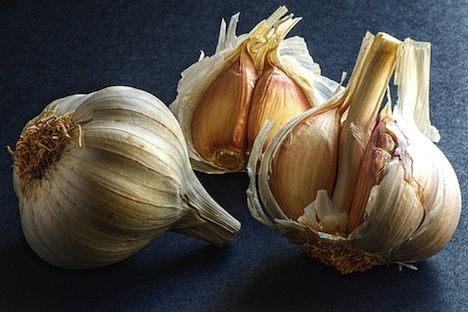
    Garlic health benefits for men might surprise you. We all know that garlic tastes good, but this member of the lily family also packs in the nutritional benefits for men. It is a safe and inexpensive way to eat well to be well, and it is well documented that people have been eating garlic for its many health benefits for thousands of years. Here is what you need to know about garlic health benefits for men.

    Sex Benefits

    Garlic just might help your sex life—just make sure your partner eats some too! No really, garlic has long been considered an aphrodisiac. Garlic improves blood circulation, which might improve sexual function, so cook up a nice garlicky romantic Italian meal and see what unfolds.

    Heart Hearth

    It is not just good for your love life, but for your real heart health as well. Garlic fights heart disease, decreases blood pressure, and prevents blood clots. It has been said to lower cholesterol as well. But these are not the only garlic health benefits for men.

    Antioxidant, Antibacterial, and Antiviral Properties

    Garlic contains allicin, which has many positive effects as an antioxidant, trapping free radicals, and it also helps to rid the body of toxins, improving liver function. Allicin in garlic contains antibacterial and antiviral properties. Studies have shown that people who eat garlic are less likely to get sick. If you do catch a cold, chewing and swallowing a small amount of fresh, raw garlic helps break up nasal congestion.

    Athlete’s Foot

    The enzymes in garlic can even help with funguses such as athlete’s foot. Crush up two to four cloves of fresh garlic and add to warm water to create a footbath in a container large enough to fit your feet. Add a small amount of rubbing alcohol. Soak feet for 30 minutes. You can also mince a few cloves of garlic and cover with a small amount of olive oil. Cover and let sit for about three days, shaking a few times per day. Using a cotton ball, apply the oil to the affected areas twice a day until the athlete’s foot clears.

    Preventing Cancer

    The selenium found in garlic helps in preventing many kinds cancer that commonly affect men, including cancer of the prostate, bladder, colon, rectum, lung, and stomach.

    Chemical-Free Pesticide

    If you are avoiding chemical pesticides, try using garlic to repel fleas and mosquitoes. Garlic is natural and is not associated with the cancer and other health problems that come from chemical exposure.

    Garlic Health Benefits for Men

    To get the most health benefits for men from your garlic, always eat or use fresh garlic that shows no signs of decay or sprouting. Store in a cool, dry, dark place. Most of the benefit is gotten from eating raw fresh garlic. Garlic supplements remove the odor, if you find it bothersome.

  • The health benefits of herbs

    The health benefits of herbs

    As a passionate food lover as well as a nutritionist, I’m always searching for that sweet spot where delicious and healthful meet. Herbs hit it perfectly. These luscious leaves — parsley, basil, cilantro, mint, thyme, oregano, rosemary and the like — not only add enticing aroma, fresh flavor and vivid green color to food, but also have remarkable health benefits. When you move beyond thinking of herbs as mere garnishes and start to see them as major culinary players, a whole world of healthy taste opens up to you.

    Health benefits

    Herbs have been used since ancient times for their medicinal properties, mostly concentrated into teas and tinctures. More recently, their healthful value as a food ingredient has been realized. For one, herbs add a burst of flavor to food, allowing you to cut back on salt without sacrificing taste. And several herbs, including parsley, have significant amounts of the essential vitamins A, C and K.

    But the true power of herbs lies in their wealth of protective polyphenols — plant compounds with potent antioxidant and anti-inflammatory effects. Piles of studies show that polyphenols in herbs help combat such diseases as cancer, heart disease, Alzheimer’s, diabetes and more. Polyphenols are anti-microbial, so they can help protect us from harmful bacteria as well. Although many of the studies on herbs’ effects have involved concentrated solutions of the leaves’ active components, there is evidence that their benefits still apply when they are cooked and eaten as part of a regular meal, too.

    Buying and storing

    The best way to have fresh herbs at your fingertips is to grow them yourself, in your garden or in pots on your windowsill. This way, all you need to do is snip as desired, and the beauty and scent of the plants will be a natural reminder to use them.

    When buying cut herbs, make sure the leaves are not wilted or yellowing — they should be bright or deep green, depending on the variety, and perky looking. To store them, wash and pat or spin dry in a salad spinner, then wrap them in a damp paper towel and place in a plastic bag or an airtight container.

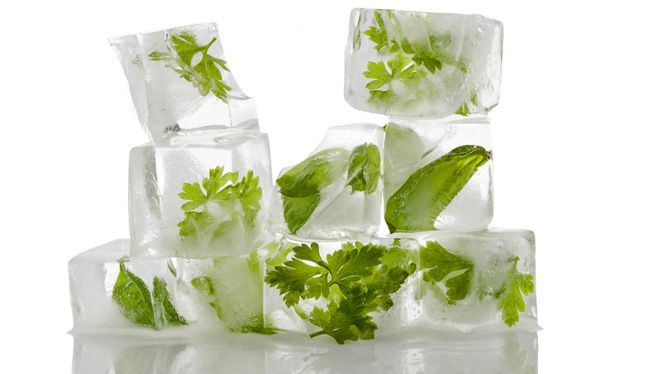
    Regardless of how carefully you select or refrigerate them, fresh cut herbs are highly perishable. The tenderest leaves, such as basil and cilantro, will usually not last more than a week in the refrigerator. Firmer types such as parsley and oregano will keep a bit longer, and hearty rosemary and thyme will last a couple of weeks. To preserve them longer, chop them and place in ice cube trays with stock or water. Freeze; then transfer the herb cubes into a plastic bag and keep frozen to add to soups, stews and sauces.

    Although fresh herbs offer a clean, bright flavor and springlike appeal, don’t write off dried, which have upsides of their own. Dried herbs are easy to keep on hand, and they are at least as beneficial as fresh, if not more so, because the drying process actually concentrates the polyphenols and flavors. When buying dried herbs, get them in small quantities that you can use up in less than a year, because their flavor fades with time. And keep in mind that, as a rule, if a recipe calls for one tablespoon of a fresh chopped herb, you can generally substitute one teaspoon dried.

    10 ways to herb up

    While there are plenty of inspiring herb-centric recipes from all over the world to explore — think of pesto, tabbouleh salad, chimichurri sauce — you don’t need any special instructions or culinary skills to get more herbs into your life. You can simply add them to foods you are already making. Here are 10 ways to get you started :

    • Add chopped fresh or dried parsley or dill to your scrambled eggs.
    • Tuck a few leaves of mint and/or basil into your ham or turkey sandwich.
    • Pile fresh cilantro leaves onto your turkey or veggie burger.
    • Toss handfuls of fresh tender herbs — parsley, basil, cilantro, mint — into your basic green salad, treating them more like a lettuce than a seasoning.
    • Add a generous pinch of dried oregano or thyme to your vinaigrette-type salad dressing.
    • Mix a handful of fresh Italian parsley or dill into your boiled or mashed potatoes.
    • Rub a mix of dried rosemary and thyme onto your chicken breast before grilling.
    • Muddle fresh mint or basil leaves in a glass then fill with iced tea or sparkling water and a twist of citrus.
    • Spruce up jarred pasta sauce with a handful of fresh chopped basil leaves.
    • Stir fresh basil, parsley or mint leaves with grilled zucchini or sauteed green beans.
  • 7 Herbs & Spices With The Most Powerful Health Benefits

    7 Herbs & Spices With The Most Powerful Health Benefits

    Many of my favourite foods not only taste great, but they’re great for you. Juicy antioxidant-rich fruits, green veggies, slow starches, oily fish and grass-fed meats are daily super foods in my diet. Perhaps one of the most overlooked sources of amazing nutrition are the herbs and spices we use to inject flavour into our main dishes. What would those foods be without them? Spices are what bring my meals to life.

    While we don’t often consume herbs and spices in large quantities, even small doses can be powerful providers of nutrients, antioxidants, anti-inflammatory agents, cancer-fighting constituents, vitamins, minerals, and more.

    If you’re looking to step up your healthy living game with spices, you’re in the left place. These are my top picks for herbs and spices with the best health benefits.

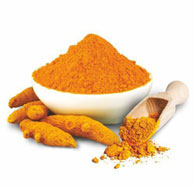
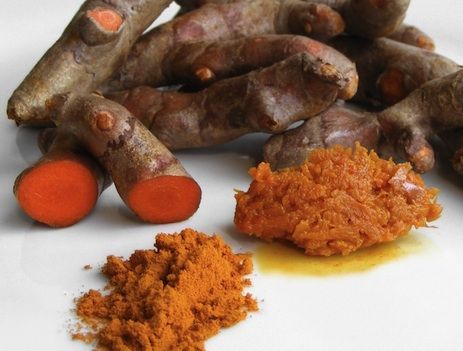
    1. Turmeric

    Turmeric has become a hot topic in the health food-o-sphere and for good reason. While its known for being added to delicious curries, its uses are becoming increasingly more versatile. I love it because it is so easy to add to the diet, which simply makes it easier to reap the amazing health benefits of this super spice.

    First and foremost, turmeric is an incredible inflammation fighter. It can even make a significant difference in individuals who suffer from rheumatic pain. This is because of constituent curcumin – its active constituent and yellow bioactive compound, lending turmeric its colour. Curcumin has a wide variety of biological interactions when consumed. Its anti-inflammatory benefits make it a good choice for healing leaky gut, improving digestion, and addressing autoimmune issues with inflammatory side effects.

    Due to curcumin’s anti-inflammatory properties, it has the ability to slow down inflammation-related ageing processes and diseases. Curcumin is also effective at increasing antioxidant capacity in the body. It’s one of the most concentrated antioxidant foods you can consume! This means an overall reduction of oxidative stress. Finally, curcumin can increase immunity with its antibacterial and anti-viral properties, protect against cancer and the development of tumors, and improve heart health.

    One of the simplest ways to increase its bioavailability (or absorption by the body) is by using turmeric alongside a dash of black pepper. It may not sound palatable, but you likely won’t notice a huge difference, especially in savoury recipes or a blended smoothie/golden milk drink. This is due to black pepper containing piperine. The combination can boost bioavailability up to 2,000%

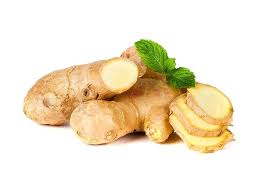
    2. Ginger

    Ginger is another versatile spice that is really easy to use. Fresh ginger and ground ginger are both beneficial. You can even use ginger essential oil. I especially like to use it brewed in teas. It’s commonly known as a powerful remedy for an achy belly, but its benefits extend far beyond that. For me, ginger is often a part of my daily routine. Did you know it’s closely related to turmeric?

    Like turmeric, it’s also anti-inflammatory. This is why it’s so soothing for an upset stomach which can often be traced to a root cause of inflammation somewhere down the line. Ginger can decrease markers of inflammation such as C-reactive protein. Additionally, ginger can protect against stomach ulcers and treat menstrual cramps. It can also relieve nausea and diarrhoea. Ginger tea is great for relieving flu symptoms as well.

    Raw ginger is relatively high in minerals like potassium, copper, manganese, magnesium, niacin, phosphorous, and iron. Compared to other spices, it’s easier to get a substantial amount of vitamins from ginger because you can use the raw root which provides the most bioavailable source of these minerals. In terms of vitamins, you can get a vitamin B6 and vitamin C boost from ginger. This may be why it’s so great for immunity.

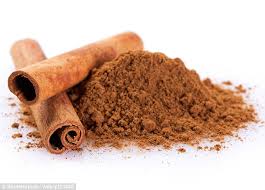
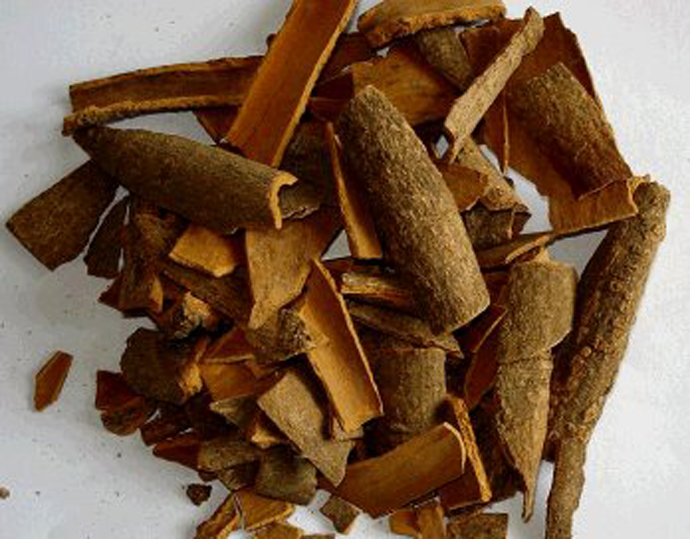
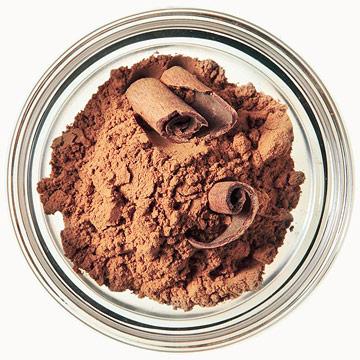
    3. Cinnamon

    Cinnamon is another spice I find quite easy to use, and lucky for me, it’s slightly sweet and pretty darn good for you. I love its versatility and try to use it in savoury recipes as well, but I especially love the ease of sprinkling some on raw or baked fruit for a healthy dessert or having some in a comforting and warming tea blend. Fresh ground cinnamon tastes best, and I also like to have sticks handy for brewing or grating which makes for absolutely explosive flavour. It’s one of my top 5 recommended spices for every kitchen.

    Cinnamon is notoriously packed with antioxidant capacity. It’s actually one of the most concentrated sources meaning that even just a little cinnamon – around 1 teaspoon per day – can help you get a healthy boost. Antioxidants help slow the ageing process, reduce oxidative stress and rid the body of toxins. Like turmeric and ginger, cinnamon is also anti-inflammatory. If you really want to reap the benefits, have all three together. They just so happen to complement one another very well!

    It’s also thought that cinnamon might be a good fighter of neurodegenerative diseases like Alzheimer’s and Parkinson’s. It may protect the neurons in our brains, inhibit proteins connected to these diseases, and even improve motor function. Overall, cinnamon is an awesome food for the brain and body.

    Cinnamon may aid in healthier skin, improve brain function, and fighting infection. It’s great for managing blood sugar and insulin levels which is why I love adding it to fruits, sweet potatoes, oats, and other healthy carbs. Finally, cinnamon is a powerful cancer fighter. It may inhibit the growth of tumours, prevent DNA damage, and cell mutation.

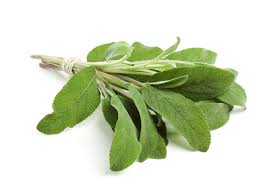
    4. Sage

    Sage is one of the most beautiful herbs, and it’s so simple to grow at home. It smells great and tastes even better. I love it fresh, but it also works its magic dried and ground for easy use, especially outside of growing season. It adds a certain depth to meals, and a crispy sage leaf garnish can turn an ordinary meal into something extraordinary. No – sage isn’t just meant for the Thanksgiving or Christmas table! Use it all year-round for its awesome health benefits.

    Sage can be used to boost cognition, so whether you choose to consume it or inhale the scent of it, you can expect a brain boost. It’s been known to increase memory recall and retention, so it may be a super food for the mind. This may also be linked to potential for sage to be a preventative food for degenerative diseases like Alzheimer’s and Parkinson’s.

    Sage is relatively high in vitamin K; just two grams provides 43% of the daily recommendation. It may also normalise cholesterol levels, treat symptoms of menopause, and improve blood sugar which is particularly helpful for those with diabetes. Lastly, like most herbs and spices, sage has anti-inflammatory properties as well as plenty of antioxidants. My mum always made a strong sage infusion for gargling in the mouth whenever we had a sore or inflamed throat, or achey teeth. It works!

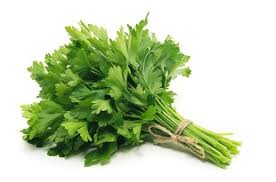
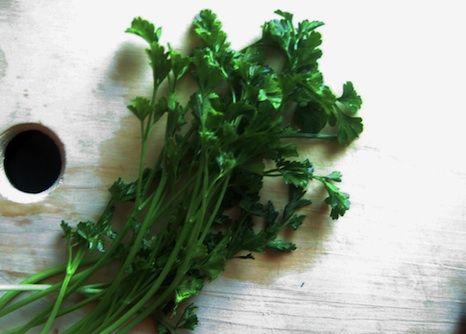
    5. Parsley

    Most leafy greens are fantastic for you, and parsley is no exception. This super food really fits the definition because it is a concentrated source of nutrition, antioxidants, and more. Plus, it tastes amazing. It is extremely high in vitamin K, and a single half cup of parsley contains upwards of 500% of the daily recommendation.

    Parsley also contains vitamin C, vitamin A, some folate (a B vitamin), and iron. It’s high in antioxidants which can reduce free radical damage and oxidative stress markers. It’s even considered a chemo-protective plant due to its properties being able to fight damage to DNA. Like most other herbs, parsley is high in minerals such as calcium.

    If you’re feeling bloated, parsley’s anti-inflammatory properties can be helpful. Parsley even acts as a natural diuretic and stimulates the kidney which can help you shed some water weight and reduce bloating. Finally, it is both antibacterial and antifunfal; parsley oil is great for the skin because it can fight bacteria and clear blemishes.

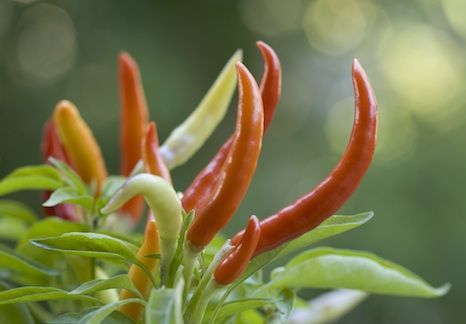
    6. Chilli

    Chilli is one of my favourite ways to spice things up. I love fresh chillis, ground chilli powder, and chilli flakes alike. Many spicy foods have unique health benefits – most notably, weight loss benefits – and chilli is no exception. Since this spice is derived from peppers, you also get many benefits of the veggie itself.

    First and foremost, peppers contain even more vitamin C than an orange does. If you want some serious immune-boosting action, chillis are the way to go! In fact, chillis contain up to seven times the amount of vitamin C of an orange. Moreover, chilli contains some vitamin A and vitamin E.

    The capsaicin found in spices derived from pepper is particularly beneficial. It helps to inhibit the neuropeptides associated with inflammatory processes that take place in the body, and it may reduce pain in individuals with symptoms from sensory nerve fibre disorders (arthritis, psoriasis, etc.). You may already be familiar, but capsaicin can also reduce congestion and relieve a stuffy nose. It goes without saying that the spicier the pepper, the more capsaicin a.k.a. the more benefits you reap. If you can handle the heat, it may be worth the sweat.

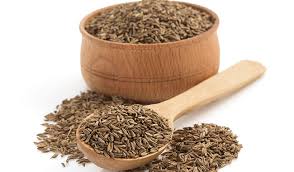
    7. Cumin

    Cumin is a staple seed or ground spice in so many recipes. Its warm and earthy flavour is perfect for deepening the flavour profile of many different types of cuisine. Of course, you know exactly what cumin tastes like if you’re a taco enthusiast (and who doesn’t love tacos?). It tastes great, and it’s great for you.

    Cumin is a great seed for digestion. One of its main compounds – thymol – aids in the production of bile, stomach acid, and digestive enzymes. This can improve efficacy of digestion, naturally treat hemorrhoids or help prevent them, and reduce severity of gas. Moreover, some of these benefits can be attributed to the fibre content found in cumin.

    Vitamin E which is found in cumin acts as an antioxidant. Vitamin E is particularly good for healthy, glowing skin. It’s also pretty high in vitamin C, so like many spices on my list today, it can be a powerful immune booster. Lastly, cumin is anti-congestive, antiviral, and antibacterial meaning it’s great for warding off infection or clearing up the airways while under respiratory stress.

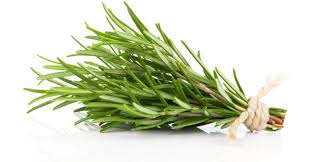
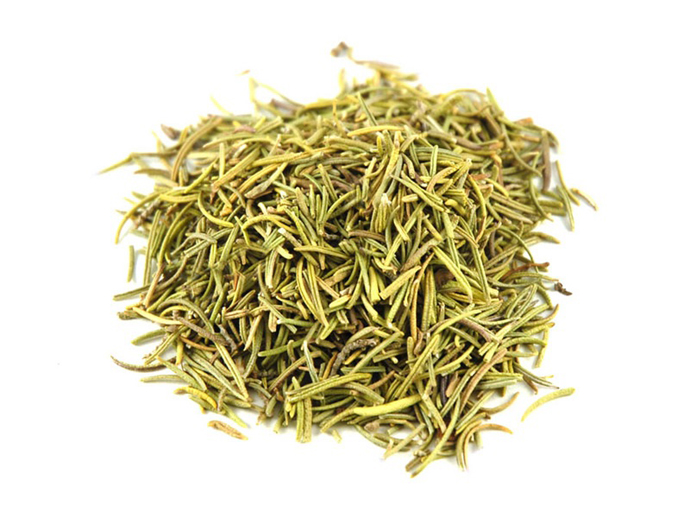
    8. Rosemary

    Rosemary is a delightful, aromatic, and healthy herb I always save a spot for in my herb garden. It looks gorgeous, smells gorgeous, tastes great, and even has a few sneaky benefits to boot. In Roman, Greek, and Egyptian culture, it’s regarded as sacred. What’s not to love about this vibrant green plant? You can use it fresh, ground, or in essential oil form to receive the benefits. However, fresh rosemary will have the most bioavailable nutrient profile.

    In terms of vitamins, fresh rosemary contains vitamin A, vitamin B6, vitamin C, and other B vitamins such as folate and thiamin. It’s also high in fibre. In combination with its anti-inflammatory properties, these properties make rosemary a great herb for gut health and digestion. Rosemary may actually increase bile flow which improves digestion overall, and conditions like IBS or Crohn’s disease. Rosemary can be brewed in a tea to treat upset stomach or nausea as well.

    Rosemary oil – one of my favourite essential oils – is fantastic for skin, hair, and sore spots. It’s a soothing remedy for dryness, dandruff, and healing. When using rosemary oil as a topical treatment, make sure to properly dilute any essential oils. Oh, and did you know that rosemary has long been used as a cognitive booster? Perhaps adding a bit to the diet is the key to a little extra brain power, focus, and mental clarity. Even just catching a lovely whiff can give me a little more energy!

  • 7 Miracle Spices With Huge Health Benefits (and Big Flavor)

    7 Miracle Spices With Huge Health Benefits (and Big Flavor)

    Spice up your life with these herbs, roots, and plants that benefit your health as much as they do your taste buds: From keeping your heart healthy and your arteries clear to reducing pain and warding off cancer, these everyday flavors will add a healthy punch to all your breakfasts, lunches, and dinners.

    1. Chili Peppers

    Add some heat to your dish with chili peppers — and choose versions that are especially spicy to get the maximum amount of capsaicin. Capsacin, the ingredient that provides the plants with their spice, also has medical benefits that include pain relief, heart health, fighting prostate cancer, and stopping ulcers. If you’re ready to take on the hottest peppers out there, try habanero or Scotch bonnet; for less of a jolt, try jalapenos, Spanish pimentos, or cherry peppers.

    2. Cinnamon

    You already love cinnamon in pumpkin pie, cinnamon rolls, raisin bread, and cinnamon sugar topping, but there are healthier ways to reap the benefits of this power spice: Add it to your coffee, sprinkle it on oatmeal, stir it into peanut butter for celery sticks, and dash on sweet potatoes or carrots. While it brings out (and warms up) the flavors in the foods it is paired with, cinnamon will also help keep your arteries healthy, manage blood sugar levels, and lower cholesterol.

    3. Tumeric

    Brightly-colored turmeric comes from the same family of spices as ginger — which means both plants can reduce inflammation in arthritis patients (and may block the formation of some cancers). Try it in a curry chicken dish from Planet Green’s Kelly Rossiter — and then add black pepper, since that tabletop staple is believed to help the body absorb turmeric for maximum effect.


    4. Parsley

    It’s easy to ignore that little piece of parsley that always arrives next to your main dish, especially when it seems little more than a decoration (even if the bright flavor does fight bad breath).

    But this early spring green has been connected to health since the days of the Romans, and today its supporters believe the herb helps pass kidney stones, battle deafness, and prevent buildup in the arteries.


    5. Oregano

    When you shake extra oregano onto your slice at the local pizza joint you aren’t just adding some classic Italian flavor to your pepperoni-and-mushroom: Oregano is a major source of thymol and carvacol — two antibacterial agents that fight off infection — and has quadruple the antioxidants of blueberries. Like thyme, it’s easy to grow at home and adds traditional flavor to any dish whether you use it fresh or dried.

    6. Garlic

    Love garlic or hate it, you can’t deny that it’s good for you: As a staple of natural remedies and traditional medicine, garlic has anti-fungal, antibacterial, and antiviral effects, and some studies show that it can stop blood clots from forming in your arteries. It’s also an easy spice to add into your diet: Try it in pasta sauce, on pizza, roasted with other vegetables, or finely chopped in homemade spreads.

    7. Thyme

    The strong flavor of thyme pairs well with comfort food — think wintry soups, stews, and roasts — and it’s easy to grow at home with full sun and well-drained soil, so you can use it fresh or dried all year-round.

    But the health benefits go beyond warm soup on a cold night: The herb’s oil is antiseptic and antibacterial, and recent studies show thyme can kill MRSA infections, which are resistant to other antibiotics.

  • 9 Herbs and Spices With Proven Health Benefits – Herbs Benefits

    9 Herbs and Spices With Proven Health Benefits – Herbs Benefits

    herbs benefits of health

    Even when our food choices aren’t the best, herbs and spices do more than just improve taste.  They give any meal a nutrition boost.  And according to a new study they may even reverse the damage from an unhealthy meal.

    Researchers from Penn State University cooked up coconut chicken, cheese bread and a dessert biscuit for six men. The subjects were aged 30 to 65 and overweight but otherwise healthy.  On one day the meal was served plain.  On another day researchers added two tablespoons of a blend of nine herbs and spices to the meal.

    After each meal the researchers drew blood from the subjects every 30 minutes for four hours.  They found that antioxidant activity in the blood increased 13% after the spicy meal compared to the plain meal.

    The spices and herbs also decreased post-meal insulin levels by 21% and triglyceride levels in the blood by as much as 31%.  That in turn could reduce heart disease risk.

    The spices used in the Penn State study included garlic powder, rosemary, oregano, cinnamon, cloves, paprika, turmeric, ginger and black pepper.  Besides heart benefits, each of these spices has its own proven health benefits.

    9 Herbs and Spices With Proven Health Benefits

    1. Cinnamon Balances Blood Sugar

    Cinnamon normalizes blood sugar levels in type 2 diabetics by improving the ability to respond to insulin. It works by slowing the rate at which the stomach empties after eating.  In one study people ate about a cup of rice pudding with and without a teaspoon of cinnamon. Adding the cinnamon slowed the rate the stomach emptied from 37% to 34.5% and significantly slowed the rise in blood sugar levels.

    And a 2003 USDA study found that after 40 days of eating between just 1 and 6 grams of cinnamon (about 2 teaspoons), type 2 diabetics reduced their blood sugar levels by 18-29%.

    2. Garlic Slows Atherosclerosis

    The Penn State researchers noted that studies associate garlic use with a 38% decrease in the risk of heart problems.  Other studies show aged garlic helps slow the progression of atherosclerosis.

    Most studies showing the heart benefits of garlic use doses of 600 to 5600 mg of garlic powder, 9 to 18 mg garlic oil, 1000 to 7200 mg aged garlic extract, or 4 to 10 grams of raw garlic.

    3. Rosemary Protects Eyesight

    A relative of mint, rosemary has traditionally been used to stimulate the immune system, improve digestion, increase circulation, boost memory and act as an anti-inflammatory.

    Animal studies show it acts as an antidepressant, improves type 1 diabetes and even prevents weight gain from a high fat diet.

    A recent study showed that rosemary also protects against age-related macular degeneration.

    4. Oregano Reduces Viral Activity

    You may know oregano as the essential herb for Italian cooking especially for tomato sauces and pizza.  But it’s also a powerful medicinal herb. Studies show oregano supports the immune system, and has antifungal, antibacterial and anti-cancer properties. It also increases liver regeneration.

    The oil from oregano contains an antiviral compound called carvacrol.  It can significantly reduce viral activity within 15 minutes of exposure.  Look for oregano essential oil standardized to 60-75% carvacrol.

    5. Cloves Fight Pain

    Cloves are rich in eugenol which has been proven to fight environmental toxins and inflammation. Studies show it may also trigger programmed cell death of colon cancer cells.  And the oil is an effective mosquito repellent.

    Cloves are also a mild pain killer.  They’ve been proven to be as effective as benzocaine as a topical anesthetic.  That’s why it’s added to over-the-counter sore throat sprays and mouth washes.  It’s also a good addition to your homemade toothpaste.

    6. Paprika Battles Multi-Drug Resistance

    Paprika is more than a decoration for deviled eggs. It’s made by grinding red chili peppers and is full of vitamin C and carotenoids. The carotenoids from paprika have been shown to combat ulcer-causing H. pylori and help reverse multi-drug resistance.

    Use paprika as a rub for meats and fish, or add a teaspoon to hummus for extra spice.

    7. Turmeric Improves Memory

    There are now over 600 documented health benefits to eating turmeric.

    Researchers in Taiwan just added one more.  They found that just one gram of turmeric at breakfast helps improve the memory of people in the early stages of diabetes. The turmeric improved working memory over the following six hours.  Other studies have found that turmeric also reduces the risk of dementia.

    8. Ginger Soothes Muscle Pain

    The Chinese have used ginger for thousands of years to treat stomach upset, diarrhea, and nausea.  Today it is known to relieve nausea due to seasickness, motion sickness, morning sickness and chemotherapy nausea. One study showed ginger root to be more effective for nausea and vomiting during pregnancy than Dramamine, a commonly used over-the-counter and prescription drug for motion sickness.

    Ginger also contains anti-oxidant compounds known as gingerols which have powerful anti-inflammatory properties. In addition to reducing muscle pain from exercise, they have been shown to reduce pain and swelling, and improve mobility in those suffering from osteoarthritis and rheumatoid arthritis.  Gingerol have also been found to :

    • reduce the number and size of colon cancer tumors
    • inhibit the metastasis of breast cancer cells
    • combat chemotherapy resistant pancreatic cancer cells
    • reduce knee pain from osteoarthritis

    9. Black Pepper Reduces Cigarette Cravings

    Black pepper improves digestion by signaling the stomach to produce hydrochloric acid. It also helps prevent intestinal gas and acts as a diuretic.  And inhaling the vapors from black pepper has been shown to help people stop smoking.

    You may see black pepper added to some of your supplements. That’s because one of its active ingredients piperine enhances the bioavailability of vitamins, minerals and other nutrients.

    For more information visit GreenMedInfo’s page on the health benefits of culinary herbs and spices.

  • 9 magical spices and herbs you need to get in your diet

    9 magical spices and herbs you need to get in your diet

    Sometimes, in fact, most of the time we get stuck on the macros, and forget the micros. No, I am not talking about life issues here, but about the food we eat.

    The messages about veg versus non veg protein, good versus bad fat, how much fibre is enough, are carbs best avoided or eaten, sugar or saturated fat – which is a bigger devil et al cloud our mindset so much that the real issue, about the micronutrients that are body needs, just as importantly, maybe even more than the major nutrients, gets lost amidst those heavy-weight headline grabbers.

    But the fact is that our body needs all the essential minerals and vitamins, both major as well as trace everyday too – to keep chugging along efficiently. Every single action in the body requires these. And this “need” can be met well very easily by using herbs and spices liberally in our cooking.

    The benefits are many

    Herbs and spices are potent potions with nuanced sweet-sharp flavours, which make the food delicious and are a perfect way to add taste, flavour and zest to low-fat or low-sodium diets. In fact, even to regular diets. Plus they stimulate all our senses, open up tastes that are unusual, and also boost the health quotient of the food exceptionally. Precisely why they have been used extensively since ancient times. Our own Ayurveda swears by them, as does ancient Chinese medicine.

    Though herbs and spices have been used for hundreds of years to heal, science is finally substantiating their healing powers: to alleviate arthritis ache, reduce high blood sugar and cholesterol, and to help prevent and even treat multiple other conditions.

    Research has also uncovered their amazing new power: ability to kill cancer cells. Yes! Now, of course, it is well known that they are loaded with hard to find antioxidants too, besides hard to find trace minerals and vitamins.

    I have already written about the multiple benefits of the golden spice turmeric, ginger and garlic a lot, below are my other favourites. Read on as I explain why I believe why these nine need to be part of everyone’s diet.

    Cinnamon: Seasoning a high-carb food with cinnamon can help lessen its impact on our blood sugar levels.

    Cinnamon slows the rate at which the stomach empties after meals, reducing the rise in blood sugar after eating. Studies also show that it helps lower LDL cholesterol, total cholesterol and triglycerides.

    Rosemary: This herb has a lot of cancer-protective potential.

    It helps prevent carcinogens that enter the body from binding with DNA, the first step in tumor formation.

    Plus it is known as the herb of remembrance too, as it improves memory.

    Holy basil (Tulsi): most of us grow Tulsi in our homes. It helps reduce stress by increasing adrenaline and nor adrenaline and decreasing serotonin; plus it inhibits breast cancer.

    Ajwain: also known as carom seeds helps in maintaining our digestive health.

    They also stimulate appetite, and are rich in fibre, minerals, vitamins and antioxidants.

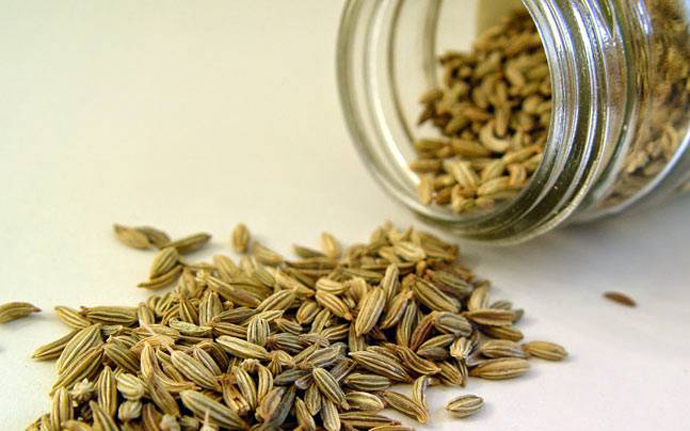
    Saunf: also known as fennel seeds are used to prevent flatulence and upset stomach (that is why it is often taken after meals).

    Plus iron and histidine (an amino acid) found in fennel are both helpful in treatment of anemia.

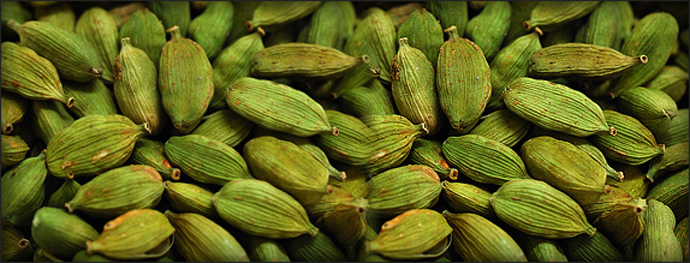
    Cardamom: helps to protect the gastrointestinal tract, cleanse the blood of bad cholesterol, improve circulation, and even prevent some forms of cancer.

    Coriander seeds: stimulate the pancreas to produce insulin which leads to a more balanced blood-sugar, and thus is diabetes preventive. It also keeps a lid on the blood-lipid levels, by helping the liver in balancing and improving overall cholesterol levels.

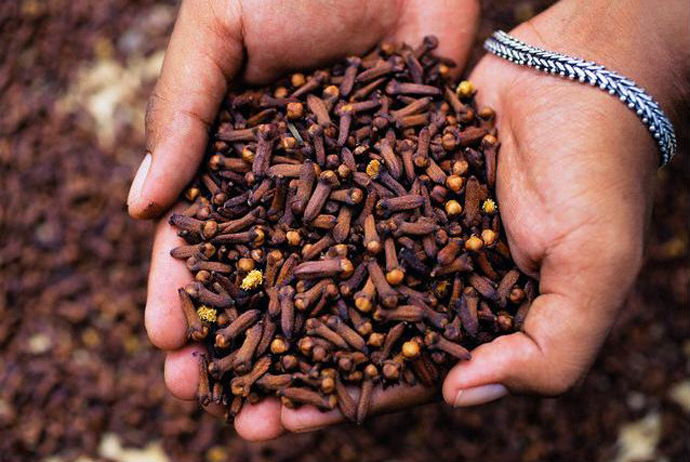
    Cloves contain a chemical called eugenol that is anti-inflammatory and helps the heart.

    They are also ranked very high in antioxidant properties.

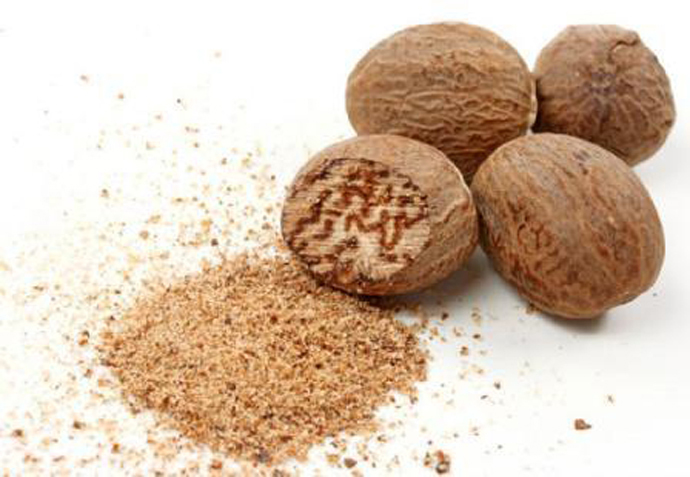
    Nutmeg: Like cloves, nutmeg also contain eugenol, has strong antibacterial properties and myristicin in it inhibit an enzyme in the brain that contributes to Alzheimer’s disease.

    Next week: Habit 4: Make friends with fat

  • 3 smart ways to preserve your herbs

    3 smart ways to preserve your herbs

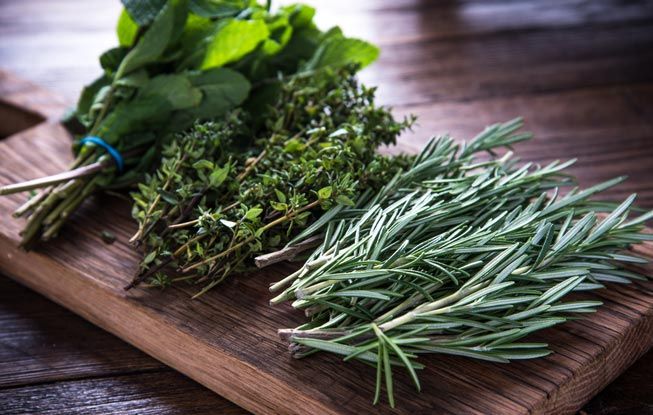
    Bundles-Herbs-Wooden-Cutting-Board

    It’s almost time to consider harvesting all the herbs that have been growing during these warm days. If your herb garden is thriving, thanks to epic rain and plenty of summer sun, there are some tried-and-true ways to enjoy those freshly grown herbs all season long. Here, our experts explain three workable options.

    1. Deep-freeze them

    Herbs-Frozen-Ice-Cubes

    While almost no method will perfectly match eating or cooking with freshly harvested herbs, freezing them gets pretty close, says Kevin Espiritu who runs Epic Gardening, an urban gardening site. You’ll lose the texture, but the flavor will remain very close to how they would taste freshly picked.

    “The best way I’ve found is to chop them up and freeze them in olive oil in an ice cube tray,” Espiritu says. “When they’re frozen, transfer them to a plastic bag or container. This works better than chopping them and putting them in a bag due to freezer burn, and it’s better than freezing in water because of how long it takes to thaw.”

    For Michelle Polk, an acupuncturist and herbalist who runs Houseplant Girl, a site dedicated to educating people about the importance of plants and herbs, harvesting herbs is all about preserving flavor.

    “You can puree and freeze fresh basil using a food processor and mixing the leaves with olive oil,” she says. Use one tablespoon of olive oil per one cup of herbs. “Then freeze the pureed basil in an ice cube tray and store in a plastic bag. Just make sure you don’t mistake these ice cubes for cocktail cubes. It could make for an interesting drink!”

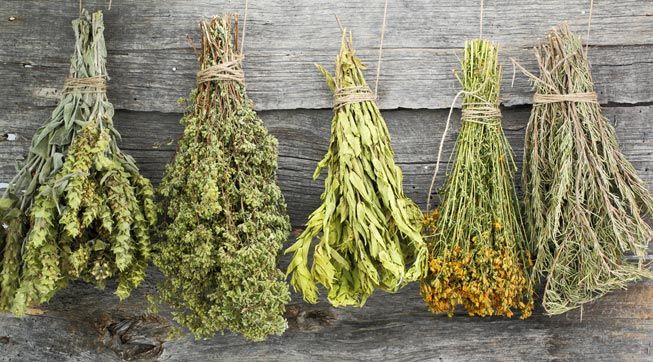
    Dry-Dehydrated-Herbs-Hanging-Upside-Down-Wood-Surface

    2. Dehydrate them

    The downside of dehydrating herbs is that this method won’t work for all herbs and you may end up with herbs that have a less intense flavor. Still, lots of people opt to dehydrate them anyway — they do look good as a decorative item during the dehydrating process.

    To do this, tie the stems of your herbs together and hang them in bunches upside down. Just be sure to place them in a warm, dry environment.

    “For the herbs to fully dehydrate they need a lot of air circulation, or they either won’t dry or will develop mold or fungus,” Espiritu says.

    Keep in mind that this process will take a few days. Once the herbs are dehydrated and are dry to the touch, separate the leaves from the stems and either store them as-is, chop into fine pieces or grind into a powder and store in spice containers.

    3. Oven dry them

    You can use your oven to dry herbs, but this process can be a bit more challenging than it sounds, Polk says.

    “You will need to put your oven at around 100 degrees [Fahrenheit], which is so low that many ovens don’t have that option,” she says. “The herbs also need air circulation or a vent, and some ovens don’t come with that option either.”

    When in doubt, try. “What I always recommend is to place your oven on the lowest heat setting and keep the oven on its lowest heat setting,” she says. “It’s trial and error at its best!”

  • Spice of Life : Health Benefits of Spices and Herbs

    cinnamon

    Cinnamon

    Health Boost : Can lower blood sugar, triglycerides, LDL, and total cholesterol in people with type 2 diabetes. Aim for one-fourth to one-half teaspoon of cinnamon twice a day.

    Get Cooking : Dip berries or bananas in low-fat sour cream, then in a mix of 1 teaspoon ground cinnamon and 1/4 cup brown sugar.

    Turmeric

    Health Boost : Contains curcumin, which can inhibit the growth of cancer cells. Try to have 500 to 800 milligrams a day, says Bharat Aggarwal, PhD, a professor of cancer medicine at the University of Texas M.D. Anderson Cancer Center.

    Get Cooking : For an Indian flavor, add 1/4 teaspoon turmeric to water when cooking 1 cup rice.

    Rosemary

    Health Boost : Stops gene mutations that could lead to cancer and may help prevent damage to the blood vessels that raise heart attack risk.

    Get Cooking : For a delicious chicken rub, combine 2 teaspoons rosemary leaves with 2 teaspoons seasoning salt and 1/2 teaspoon thyme leaves.

    Garlic

    Health Boost : Destroys cancer cells and may disrupt the metabolism of tumor cells, says Karen Collins, RD, nutrition advisor to the American Institute for Cancer Research. “Studies suggest that one or two cloves weekly provide cancer-protective benefits.”

    Get Cooking : “Let garlic sit for 10 to 15 minutes after chopping and before cooking so the active form of the protective phytochemicals develops,” says Collins. Saute fresh garlic over low heat and mix with pasta, red pepper flakes, and Parmesan cheese.

    Paprika

    Health Boost :Contains capsaicin, whose anti-inflammatory and antioxidant effects may lower the risk of cancer (also found in cayenne and red chili peppers). There’s no specific recommended dose, but moderation is probably the best way to go.

    Get Cooking: Combine 1 1/2 teaspoons paprika, 1/2 teaspoon ground thyme and 1/2 teaspoon ground red pepper to liven up popcorn.

    Ginger

    Health Boost : Can decrease motion sickness and nausea; may also relieve pain and swelling associated with arthritis. Doses used in clinical trials range from 500 to 2,000 mg of powdered ginger. (A quarter-size piece of fresh root contains about 1,000 mg.) More than 6,000 mg can cause stomach irritation. Ginger can also hinder blood clotting, so if you’re about to have surgery or are taking blood thinners or aspirin, be sure to talk to your doctor first.

    Get Cooking : For motion sickness, try having one or two pieces of crystallized, or candied, ginger. Make sure ginger is listed as an ingredient; some candied products or ginger ales contain a small amount or a synthetic form. You can also add 1/4 teaspoon ground ginger to vegetables like carrots and sweet potatoes, as well as fresh fruit (especially peaches).

    Oregano

    Health Boost : A USDA study found that, gram for gram, oregano has the highest antioxidant activity of 27 fresh culinary herbs.

    Get Cooking : To spice up tomato soup, add 3/4 teaspoon oregano to 1 can; add 1/2 teaspoon to 2 cups pasta or pizza sauce. Substitute 1 teaspoon dried oregano for 2 teaspoons fresh.